

Who is Chris Beck?
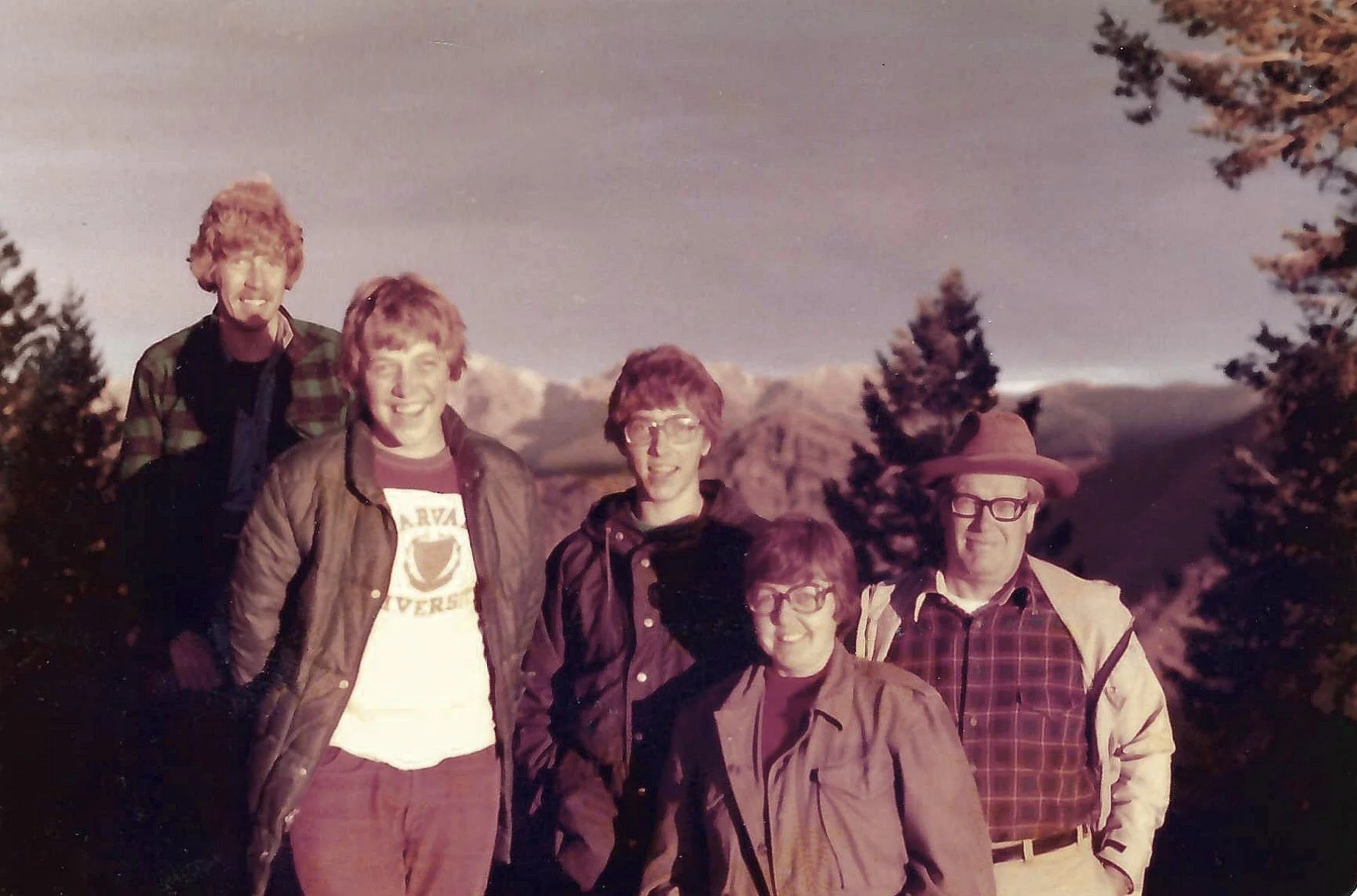
With Mom, Dad and brothers at Hells Canyon (1977)
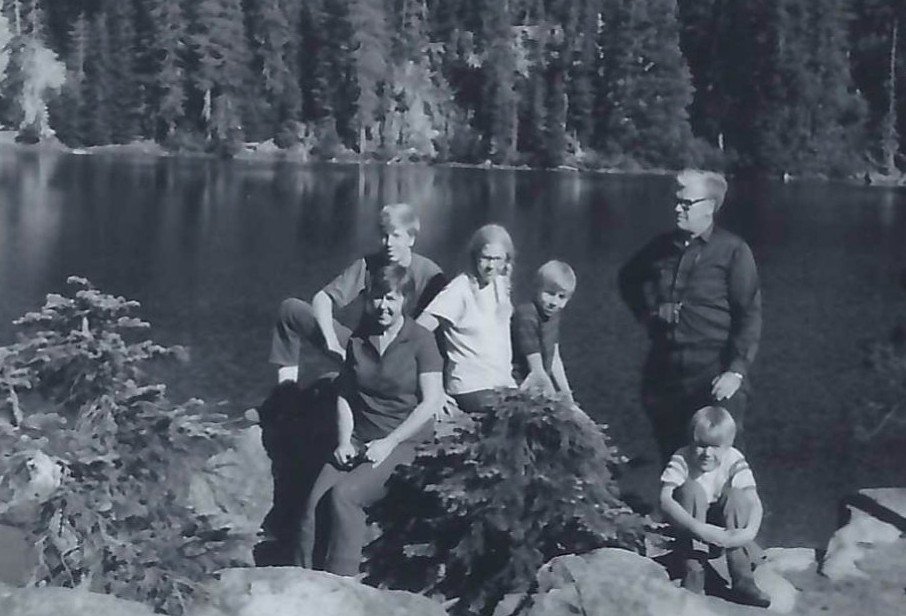
My family at Lake Kiwa, Oregon Cascades (1971)
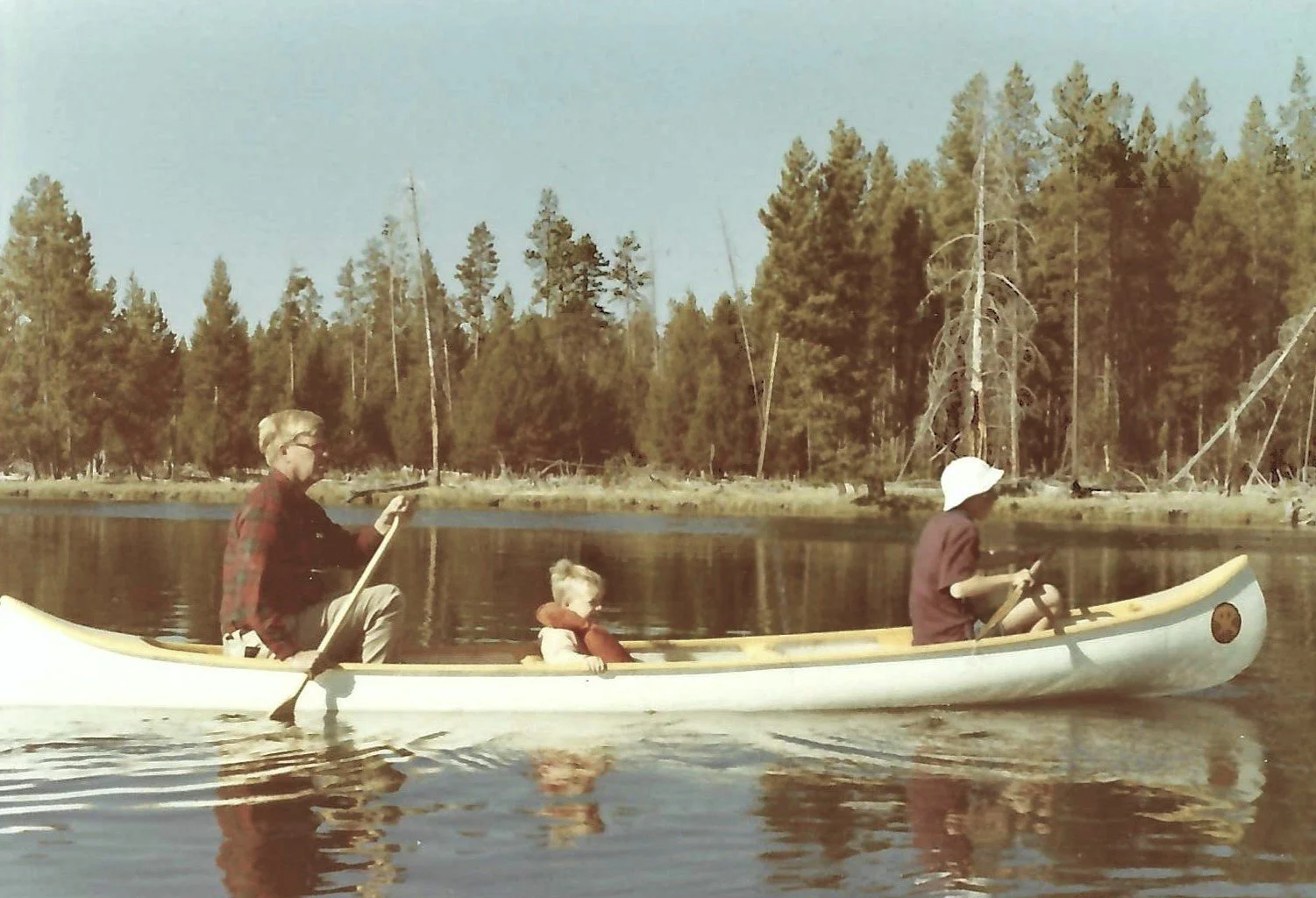
On the Deschutes River with Mom and Dad (1968)
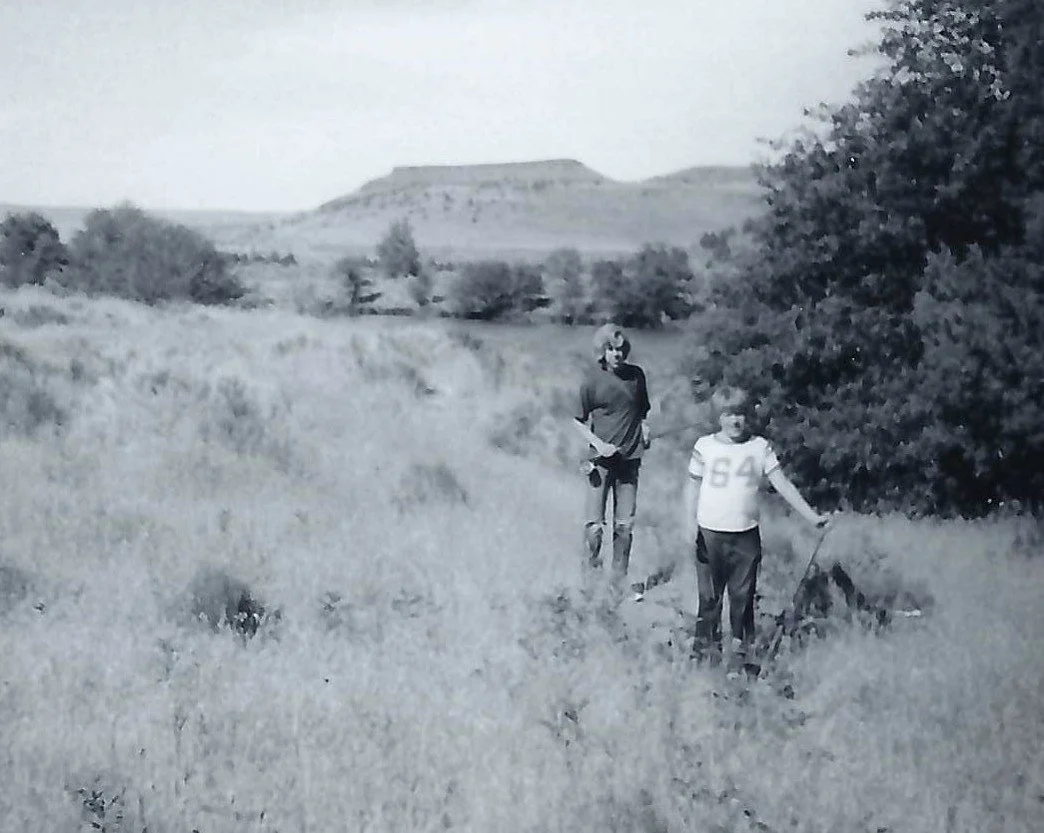
My brother Borden and me, Deschutes River Warm Springs Reservation (1974).
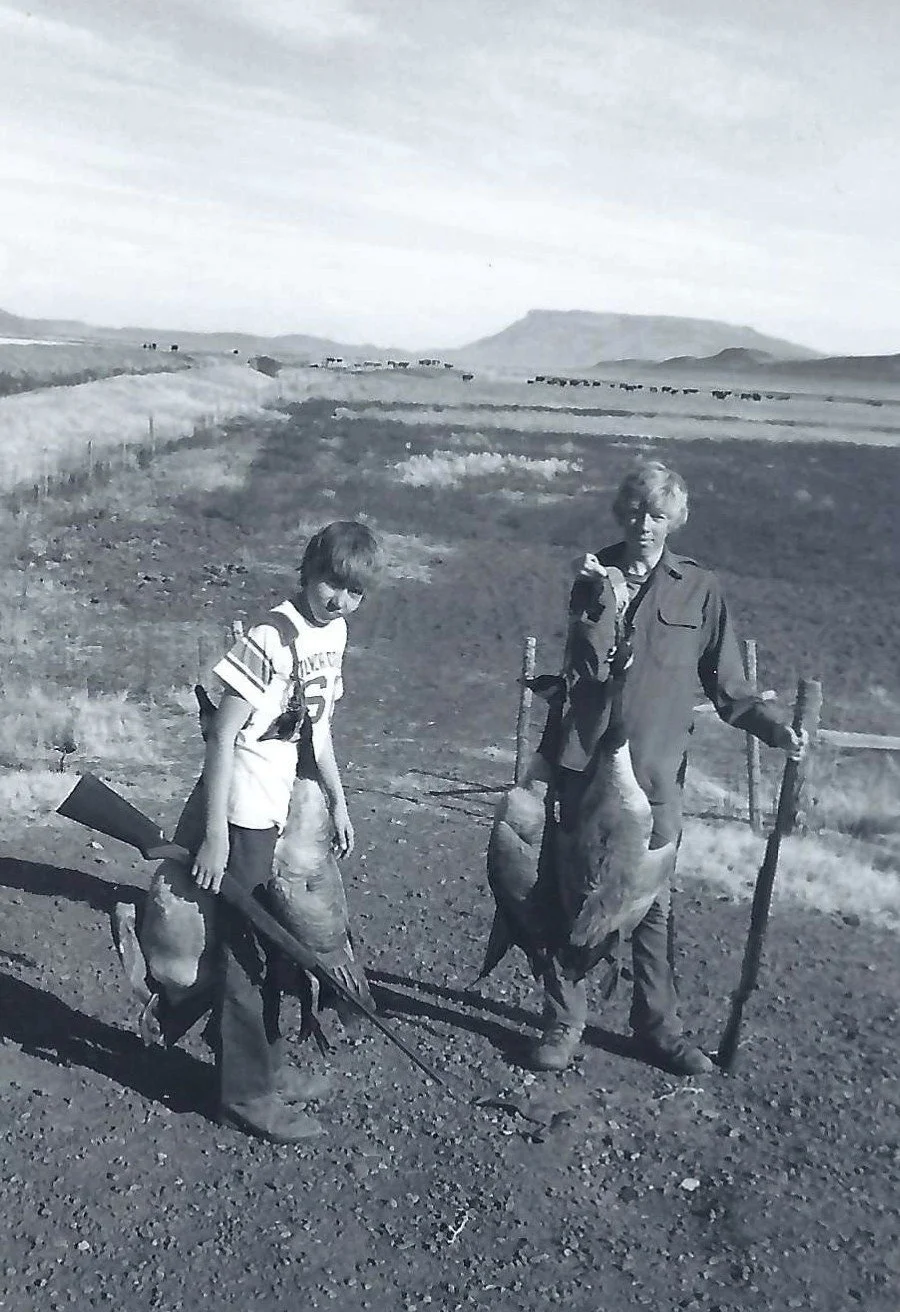
My brothers Jon and Borden, Warner Valley, Lake County (1973)
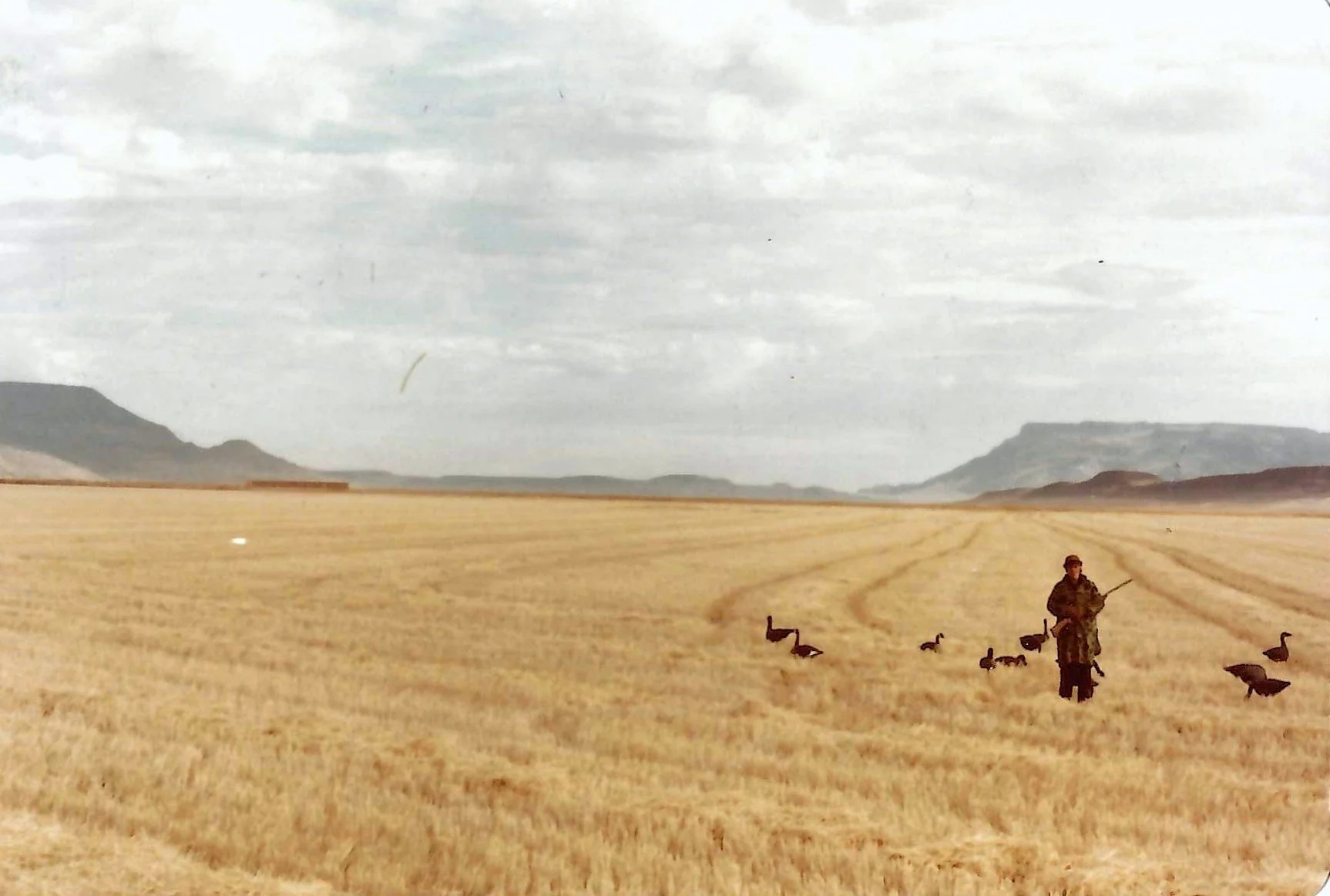
That's me (with decoys) at Warner Valley, Lake County (1978)
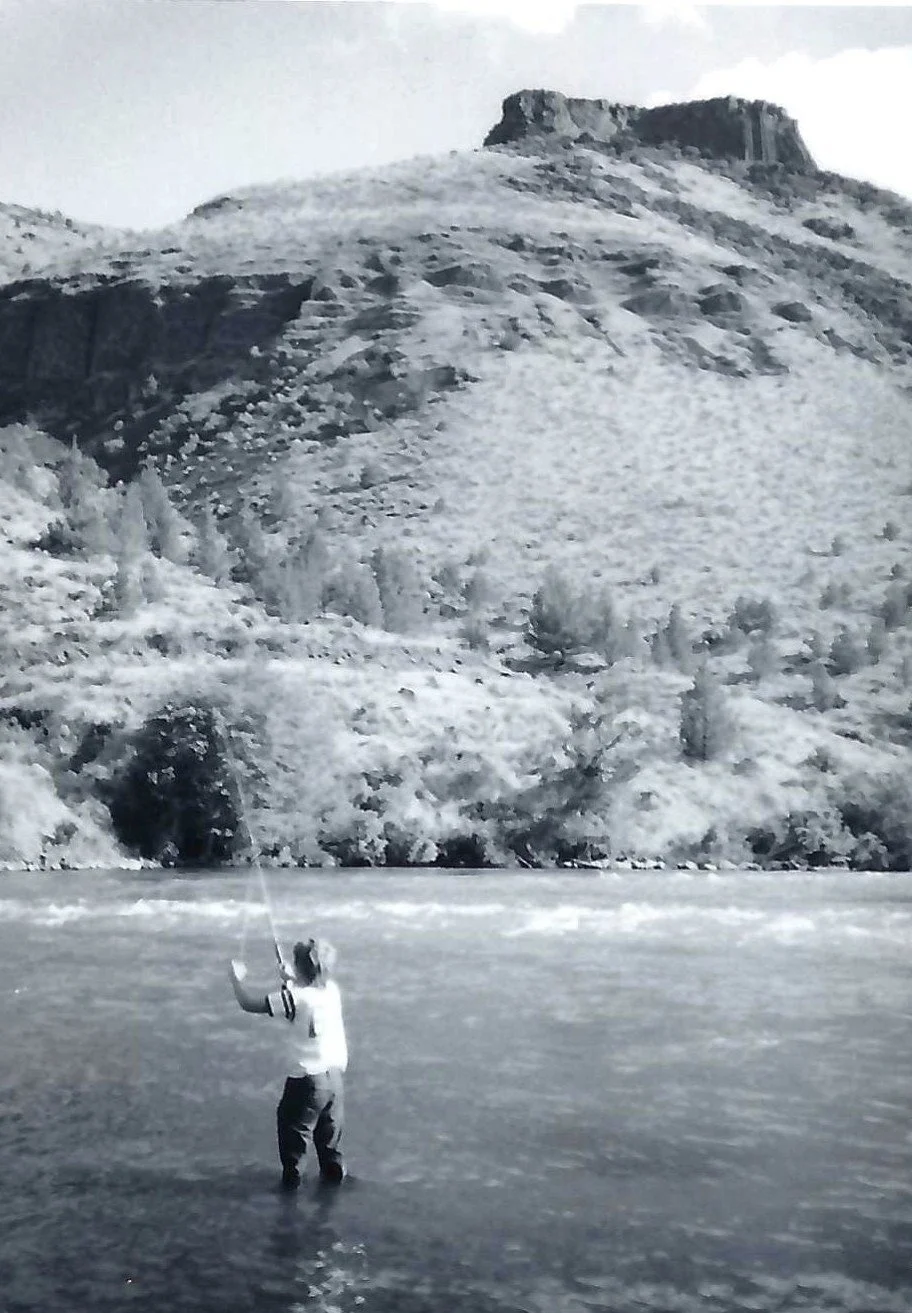
Deschutes River (1975)
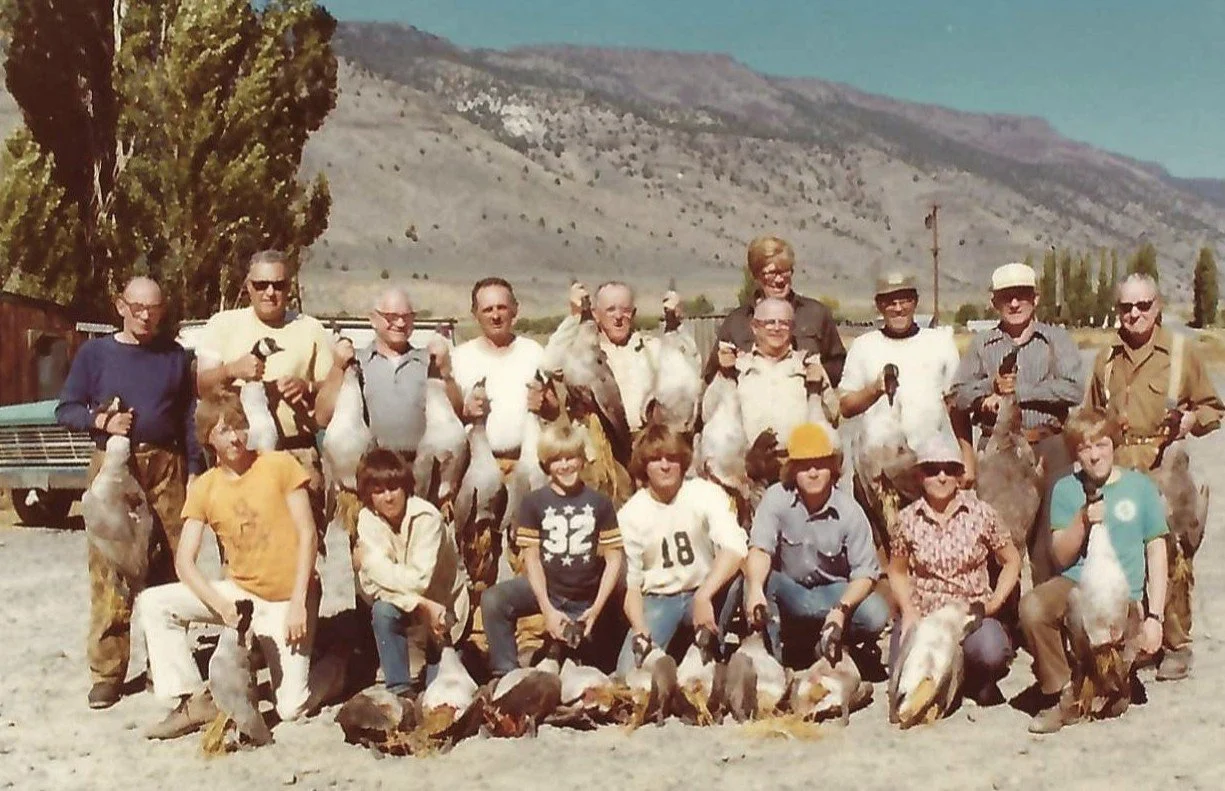
Autumn goose hunt, Adel (Lake County). I’m first row, far right. (1975)
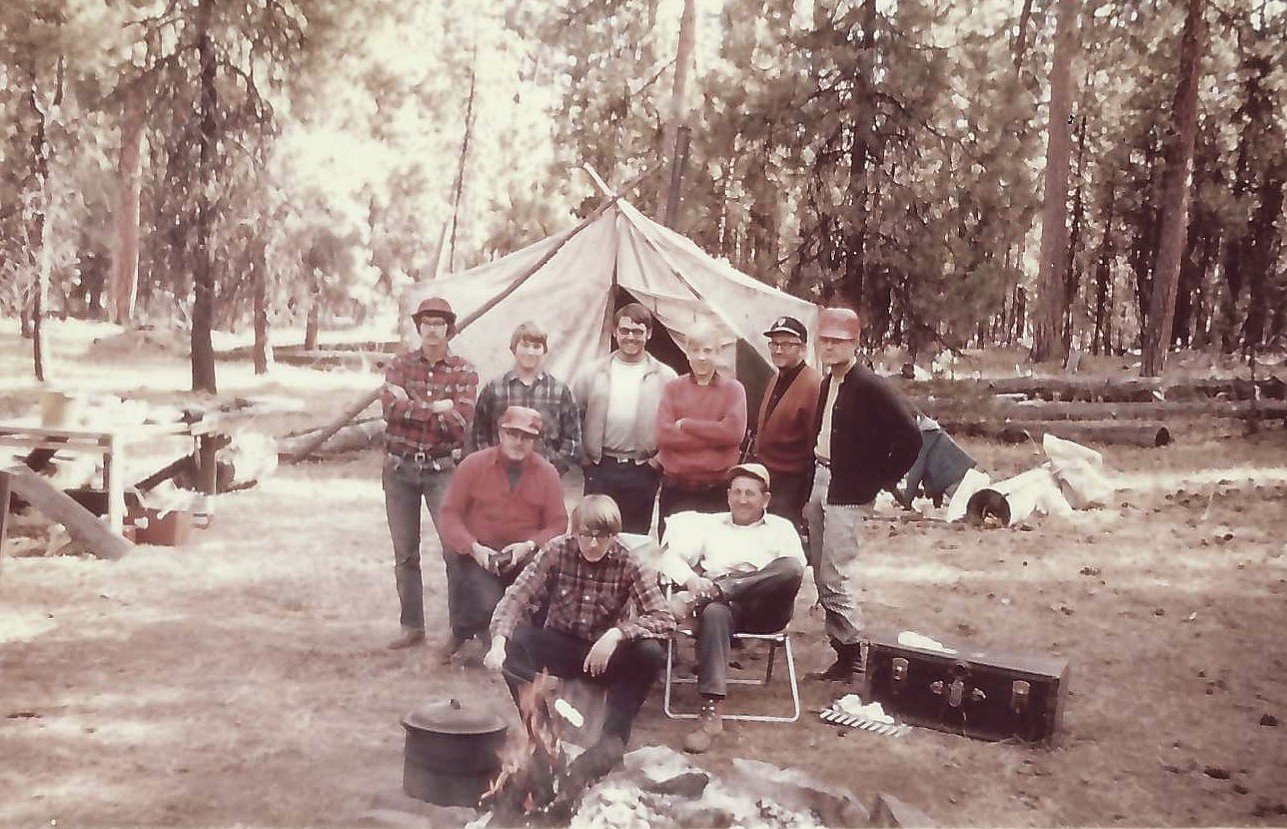
My hunting companions at the annual deer camp in the Ochoco Mountains. (1975)
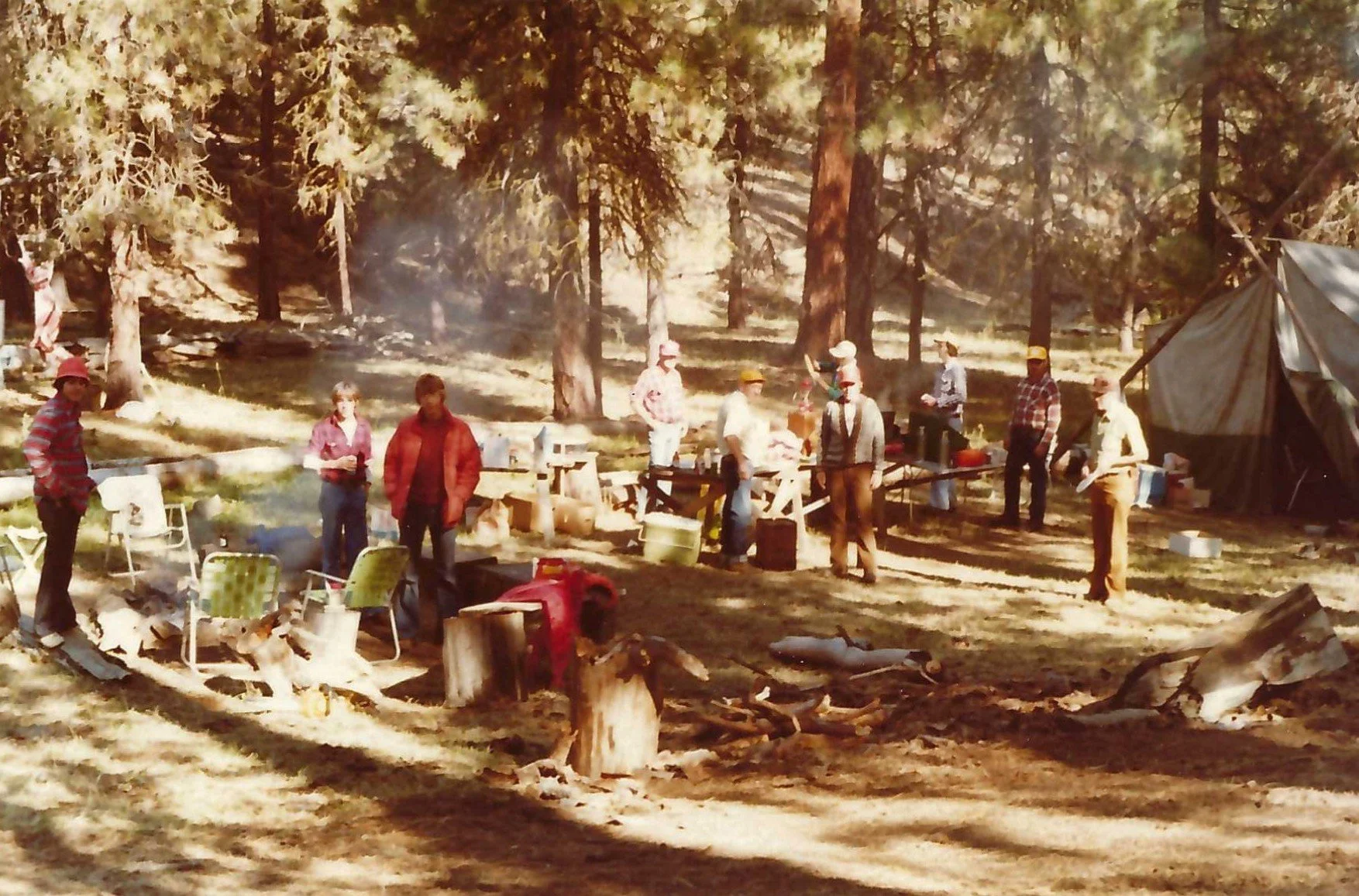
Annual deer camp in the Ochoco Mountains (1975). I’m second from left.
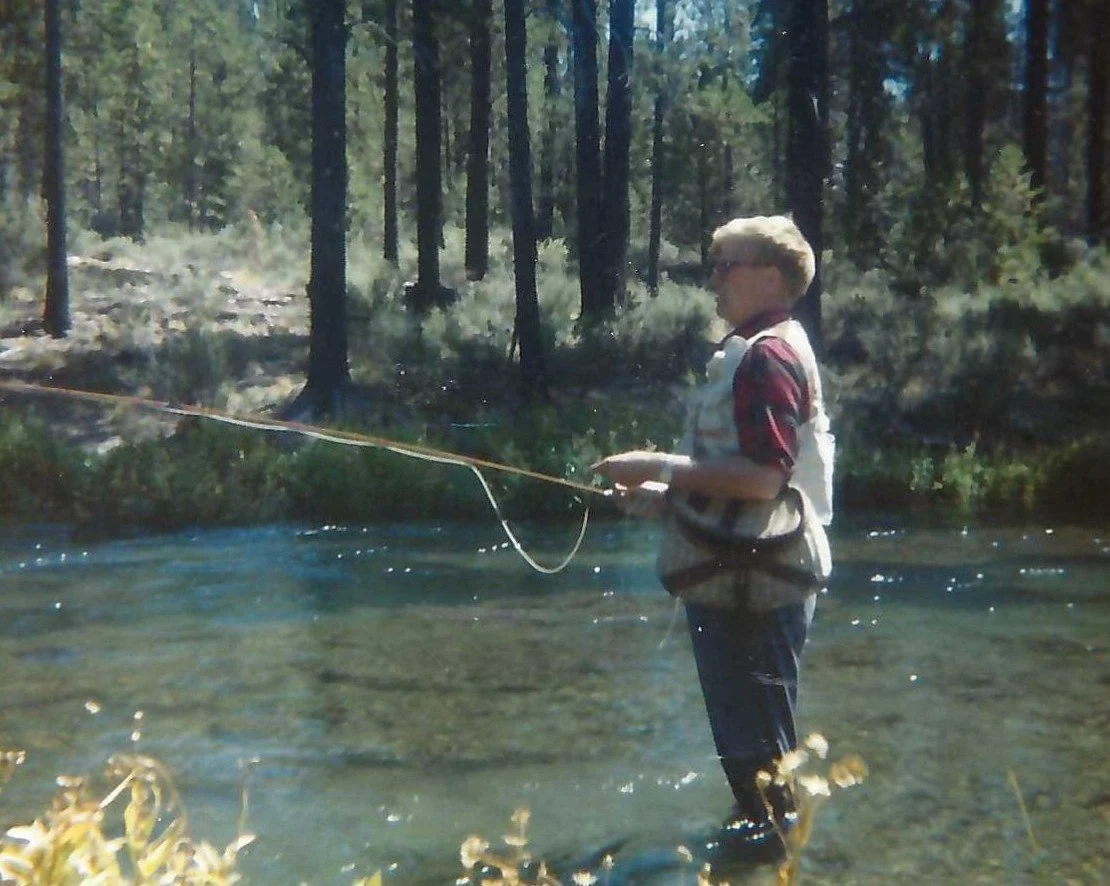
Dad fishing on the Deschutes River (1980)
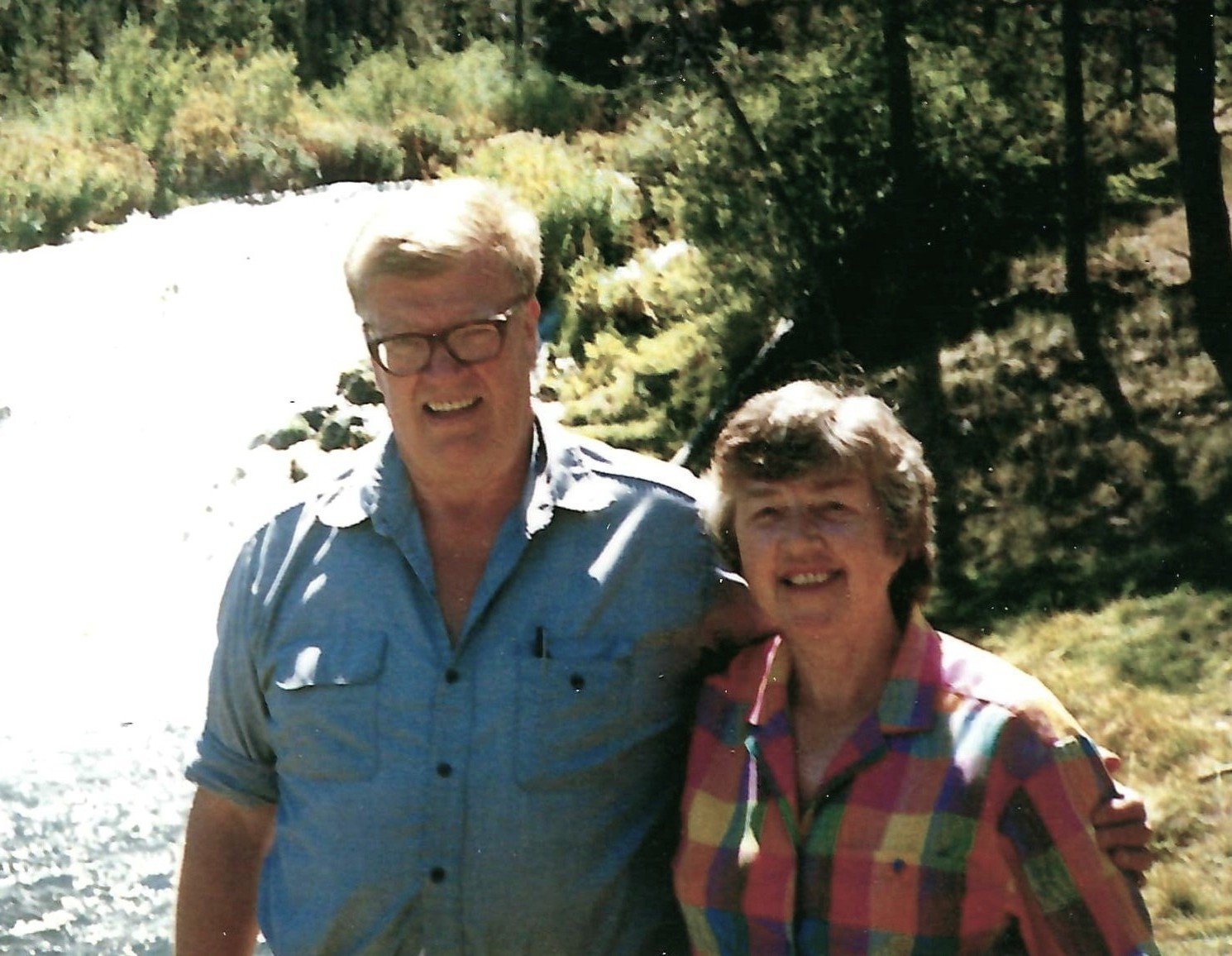
Borden and Lu (Dad and Mom), Fall River, Deschutes County, (1980)
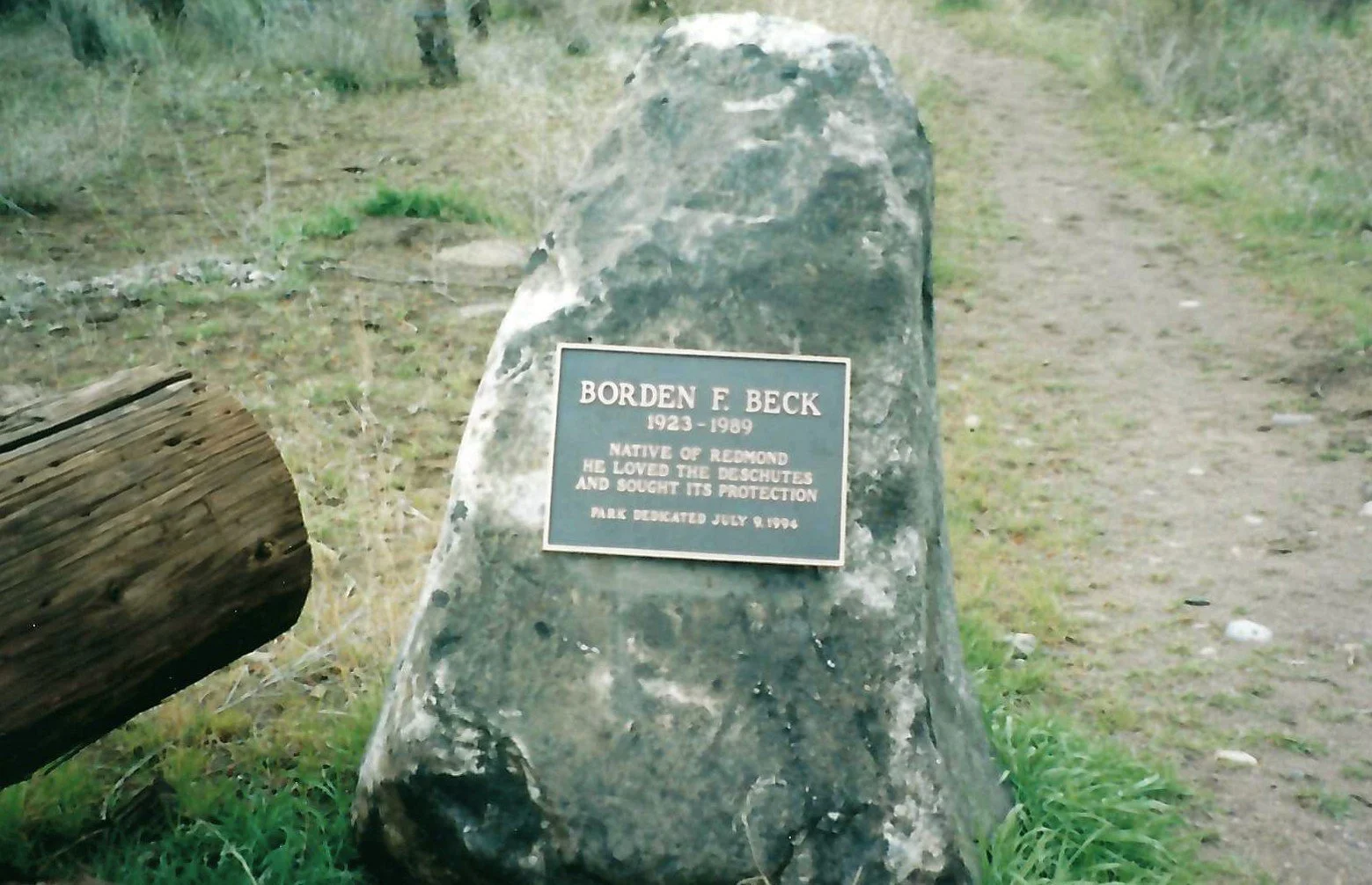
Plaque honoring my dad at the Deschutes River preserve
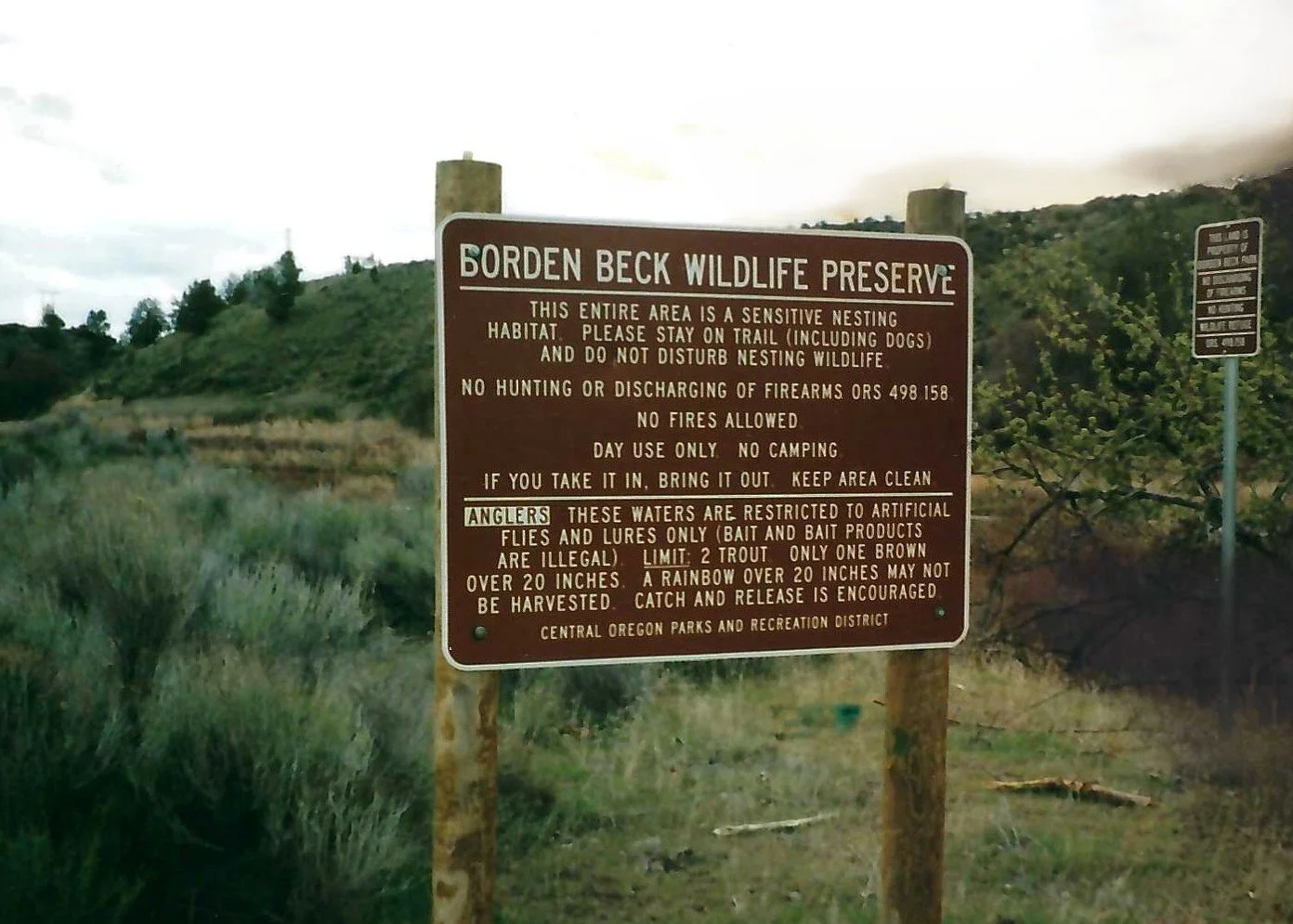
Borden Beck Wildlife Preserve, honoring my dad.
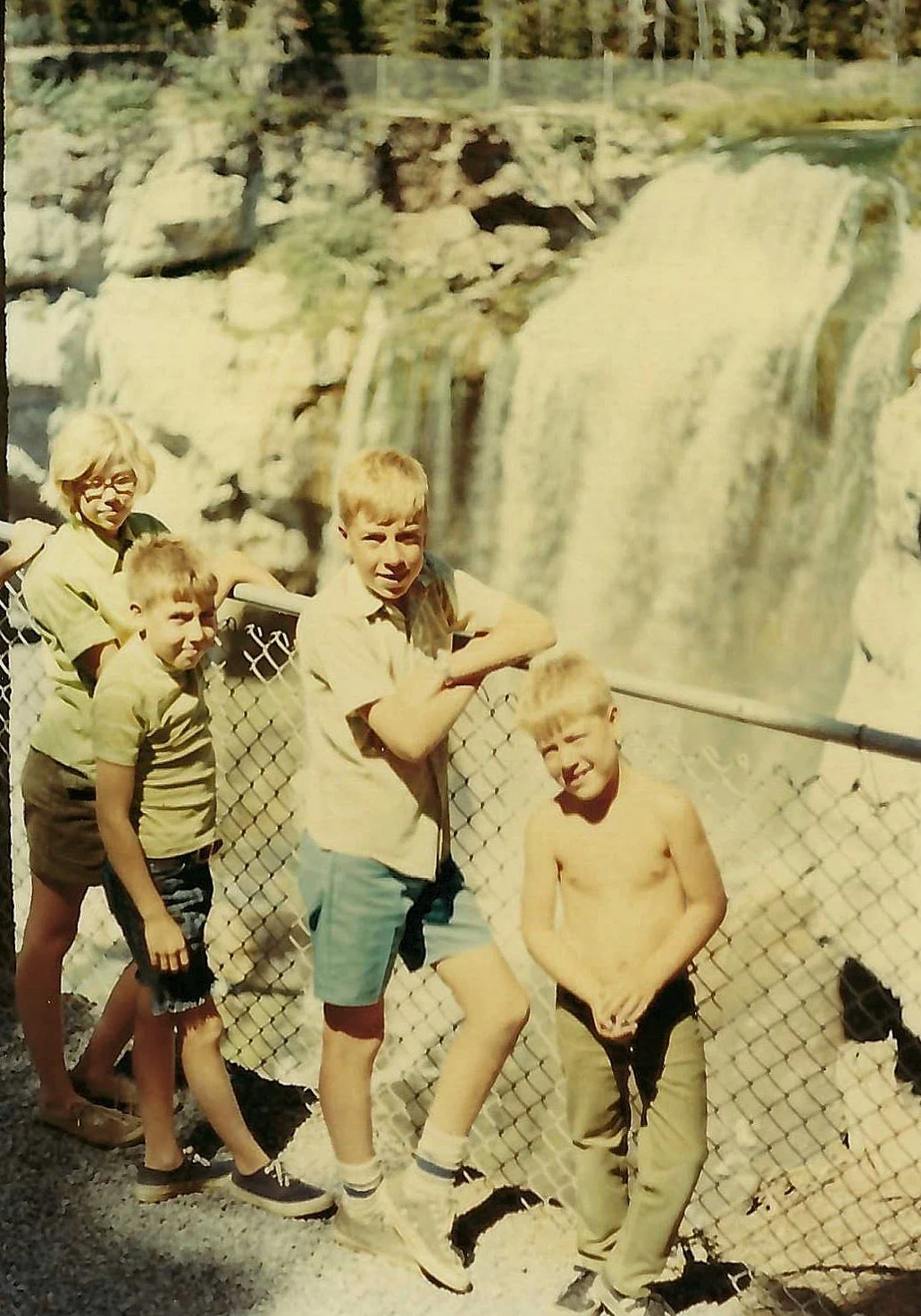
Paulina Falls (1969). I'm the short one in front.
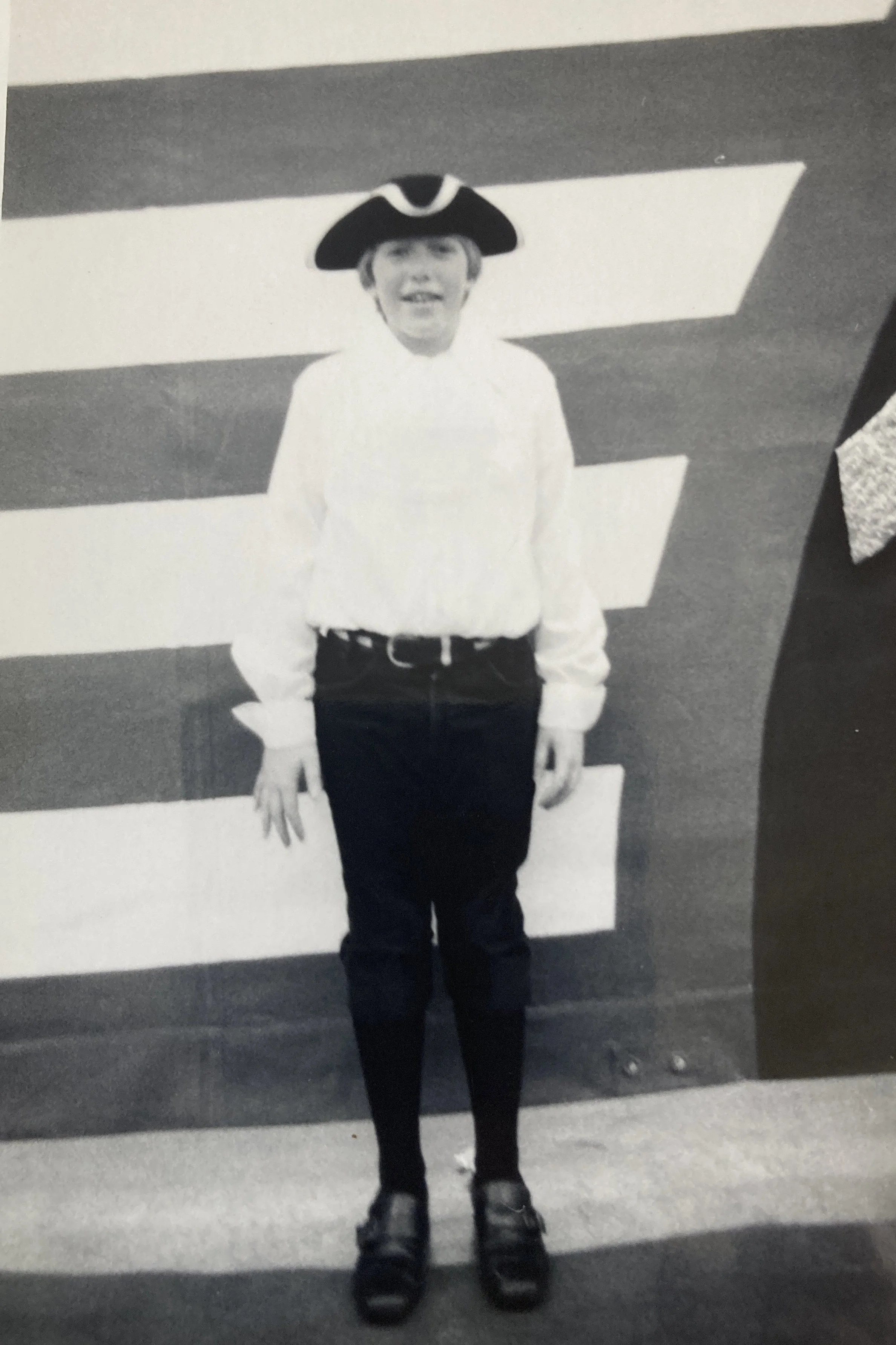
All dressed up for America's Bicentennial, July 4, 1976.
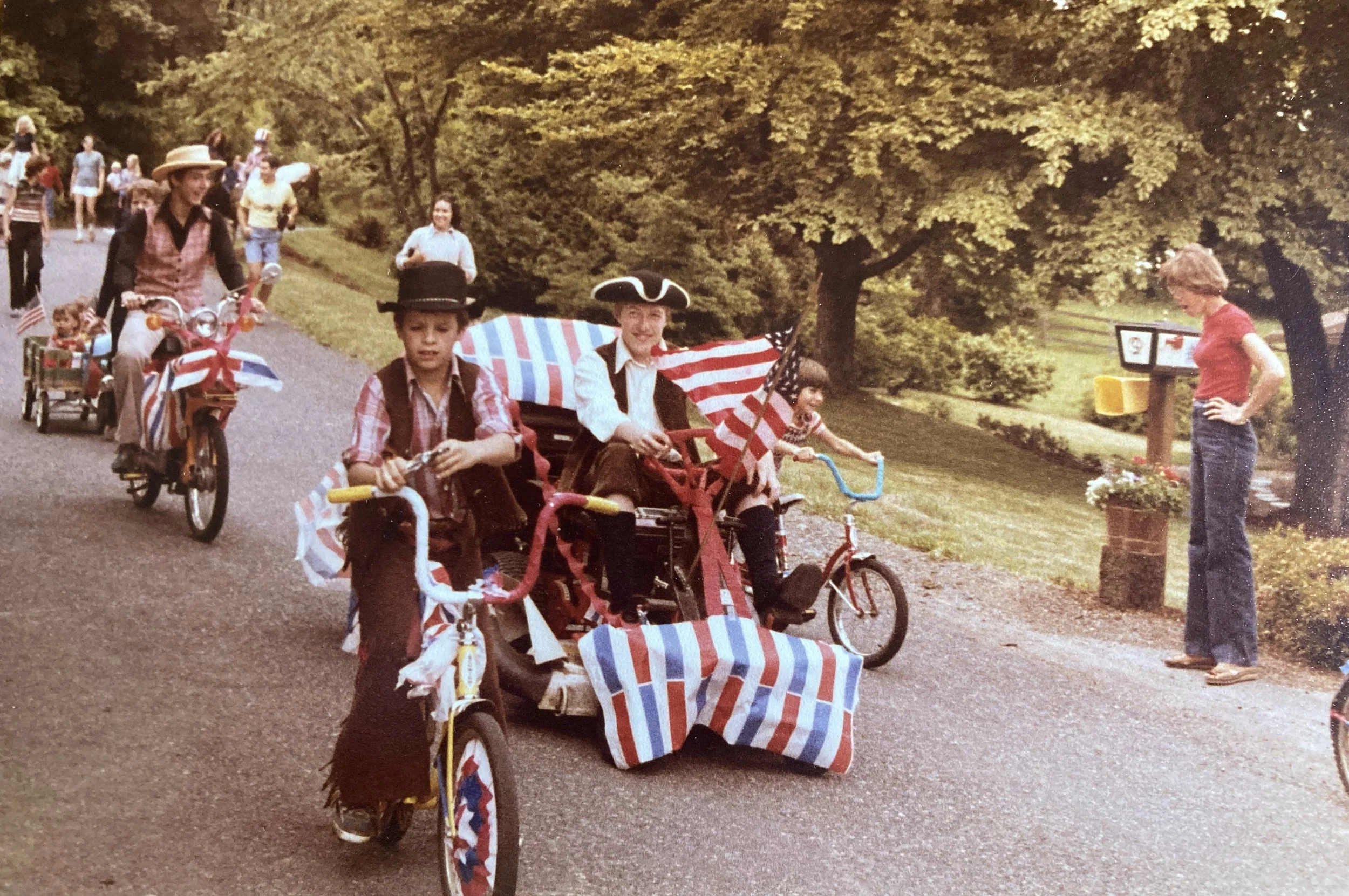
Driving our lawnmower on our street parade for the 1976 Bicentennial celebration.
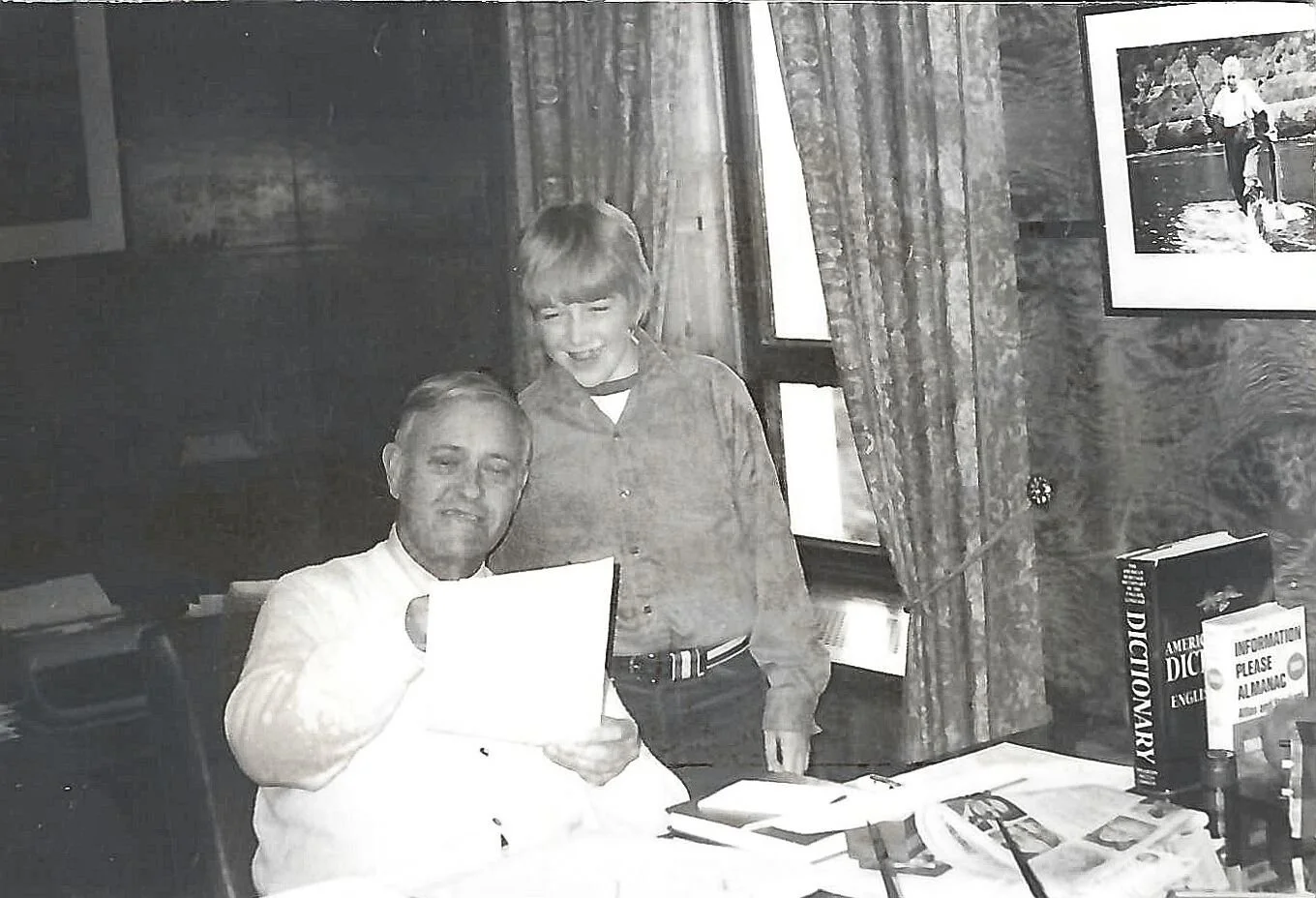
Me and Gov. Tom McCall (1975)
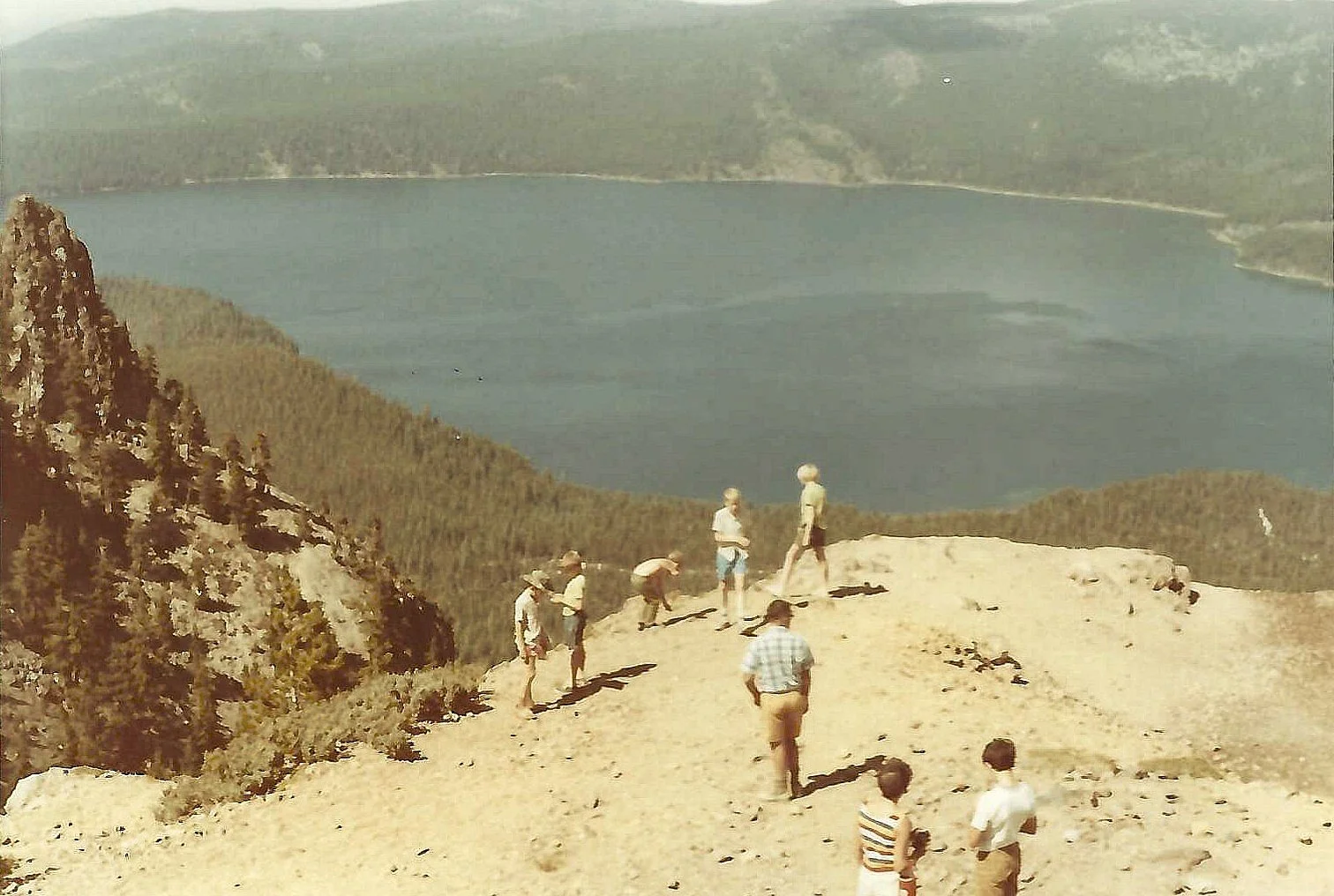
My family and I at Paulina Peak, Deschutes County (1969)
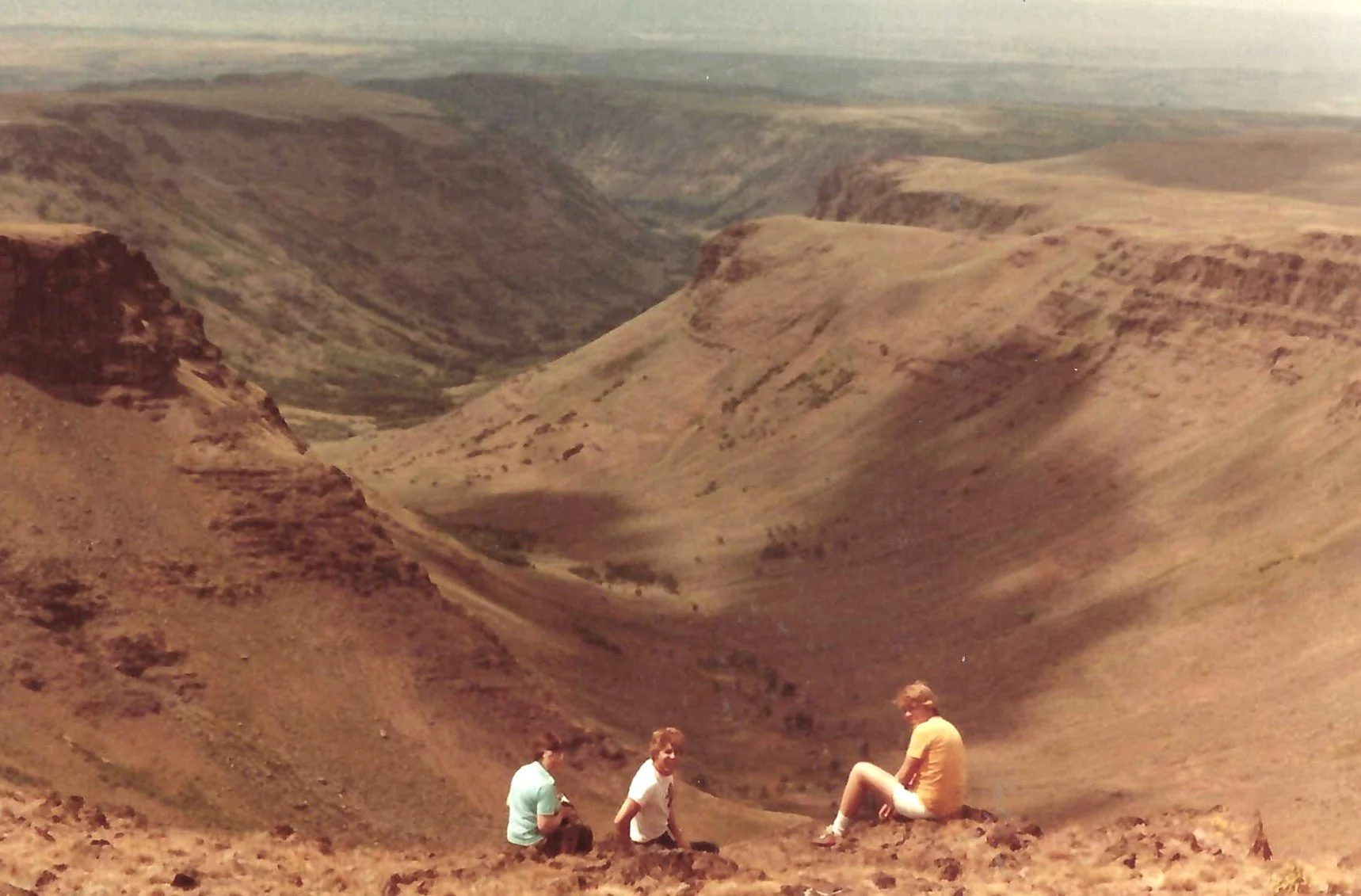
My mom, brother and me at Kiger Gorge, Steens Mountain, Harney County (1978)
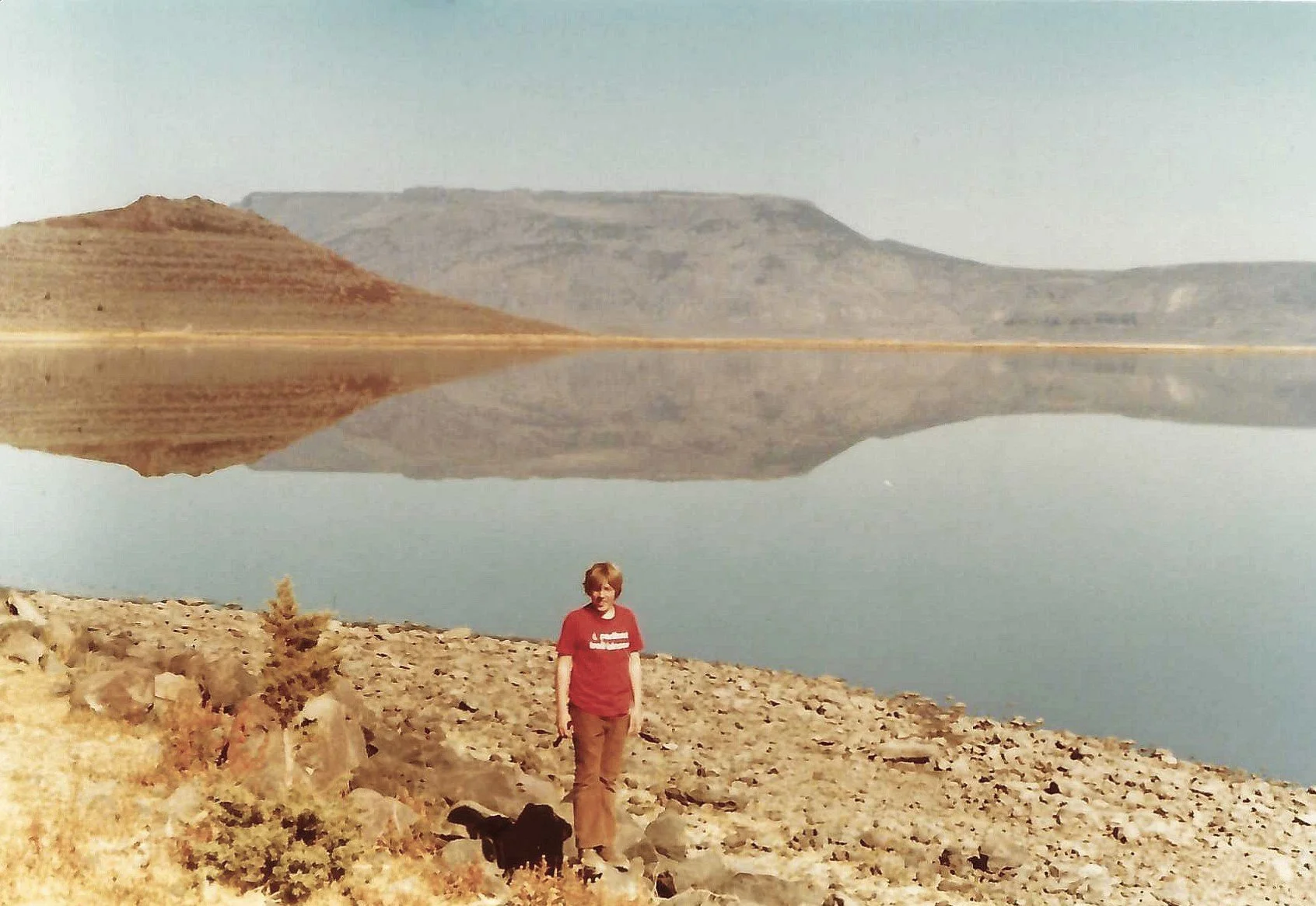
Crump Lake, Hart Mountain, Lake County (1977)
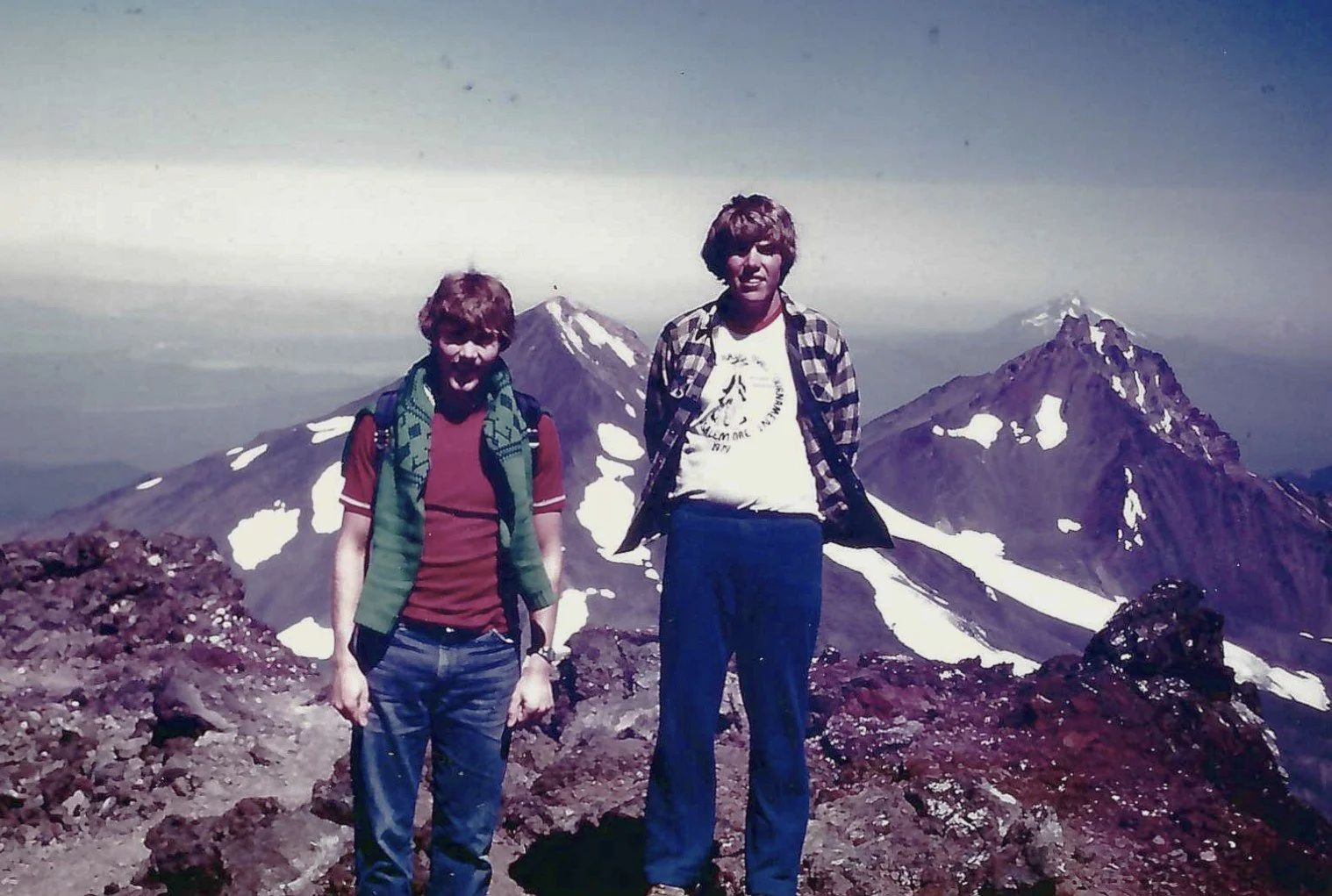
My brother Jon and me atop South Sister (1977)
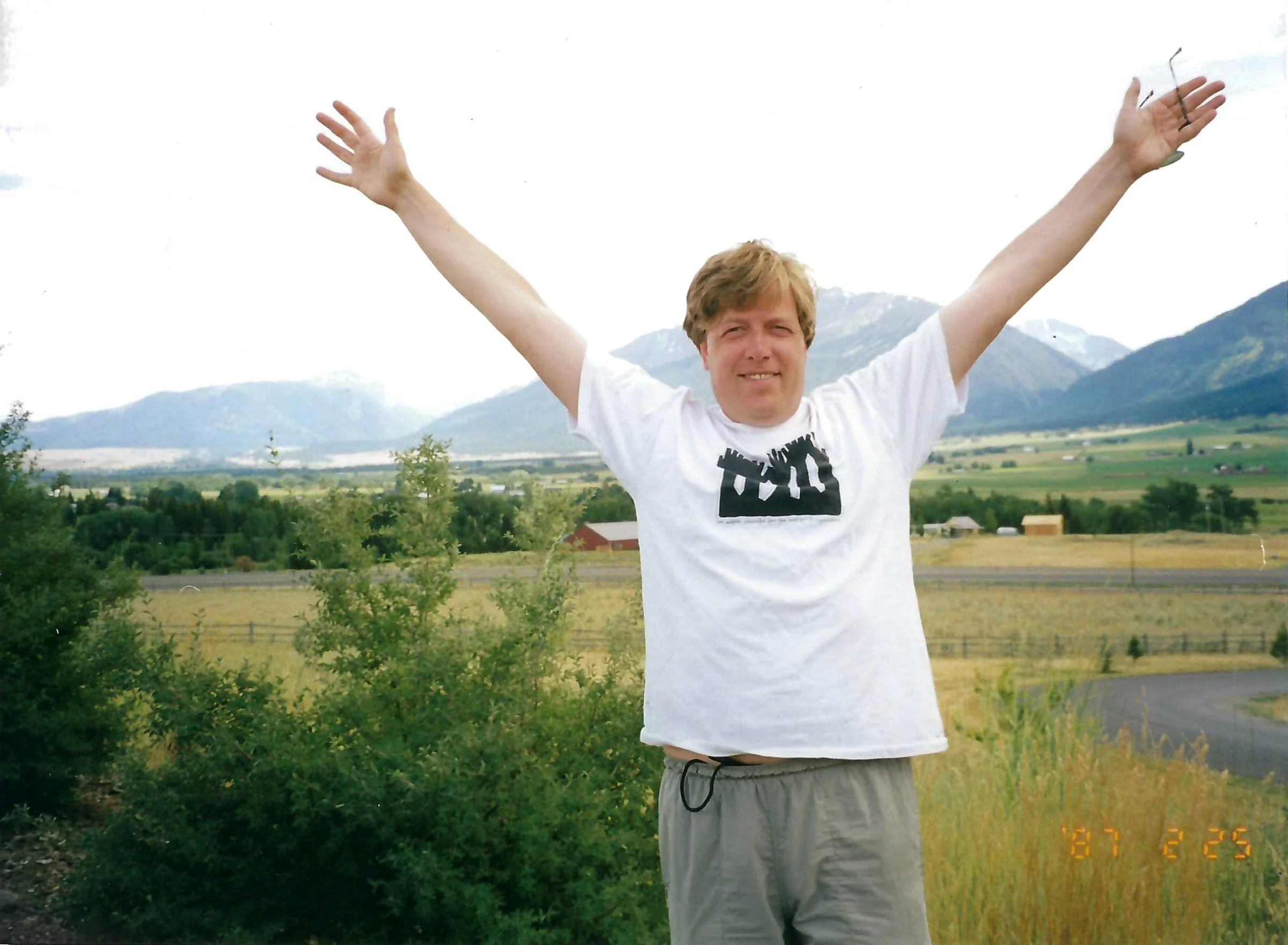
Wallowa Valley (1998)
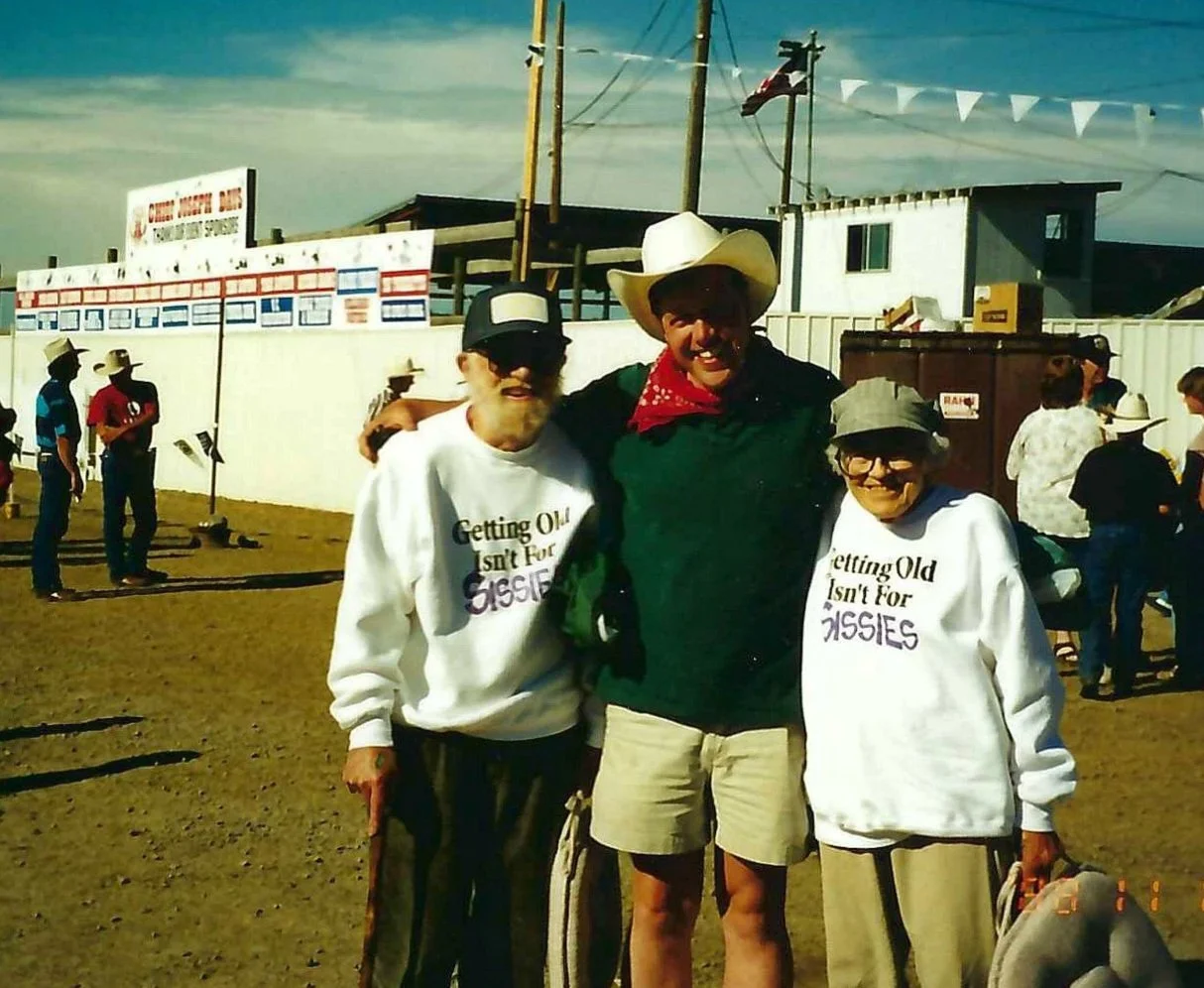
Chief Joseph Days Rodeo with Union County friends Bill and Margaret Obie (1998)
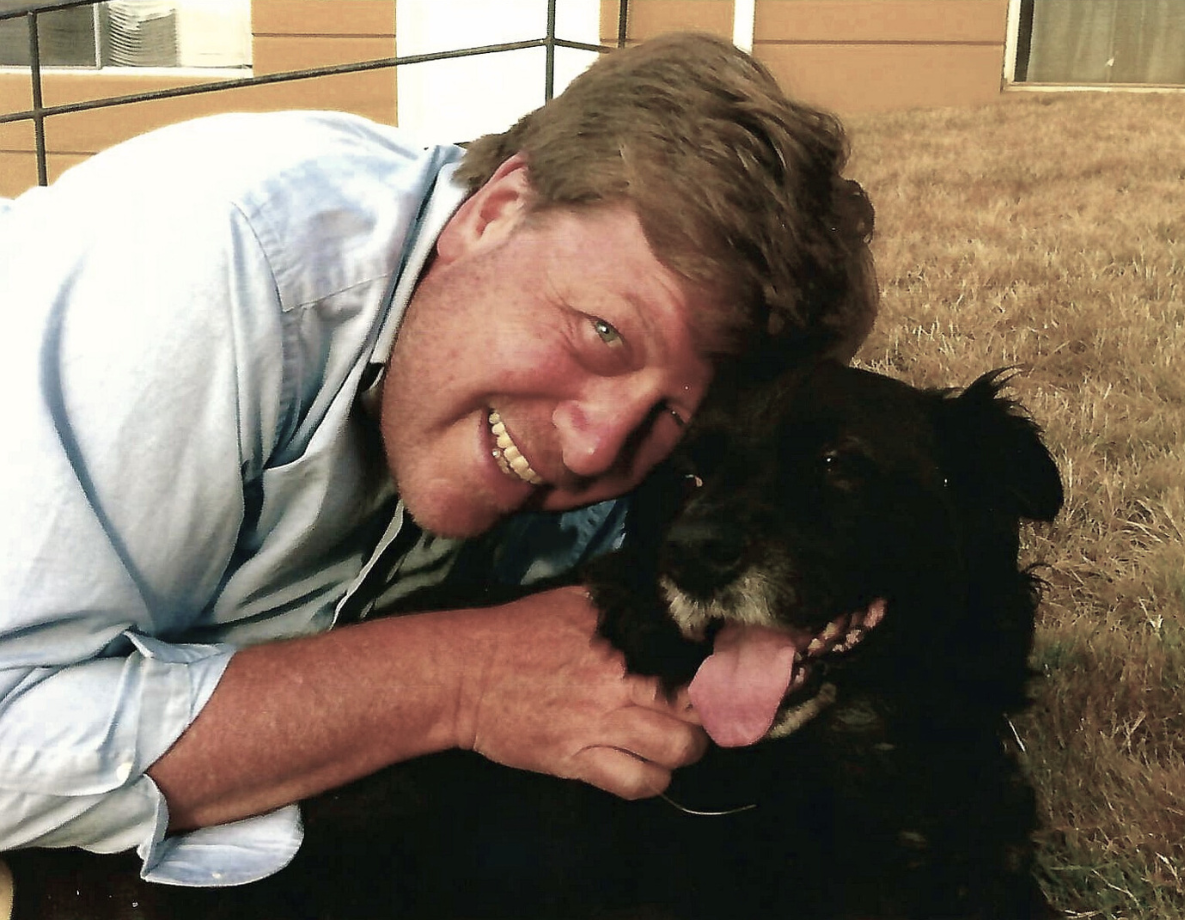
My best friend "Cole." RIP.
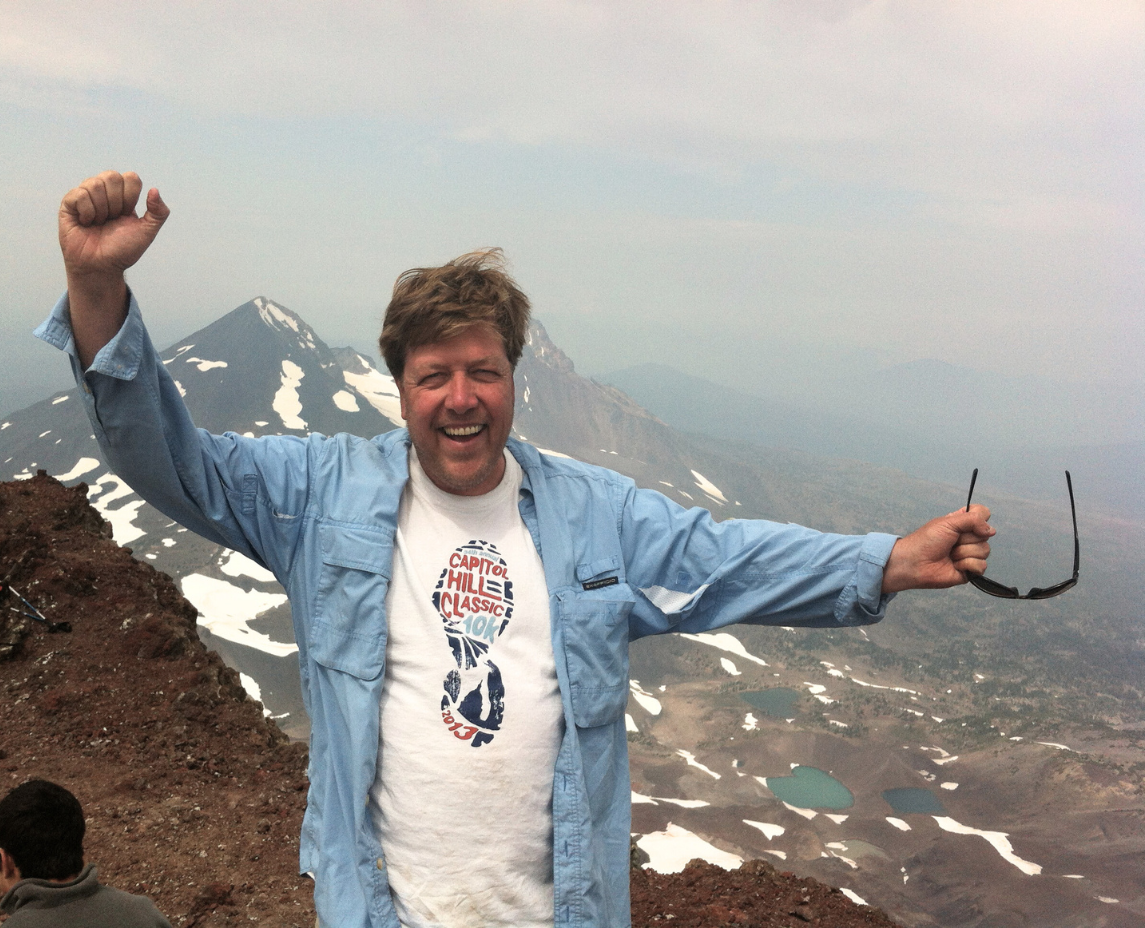
Atop South Sister (2013)
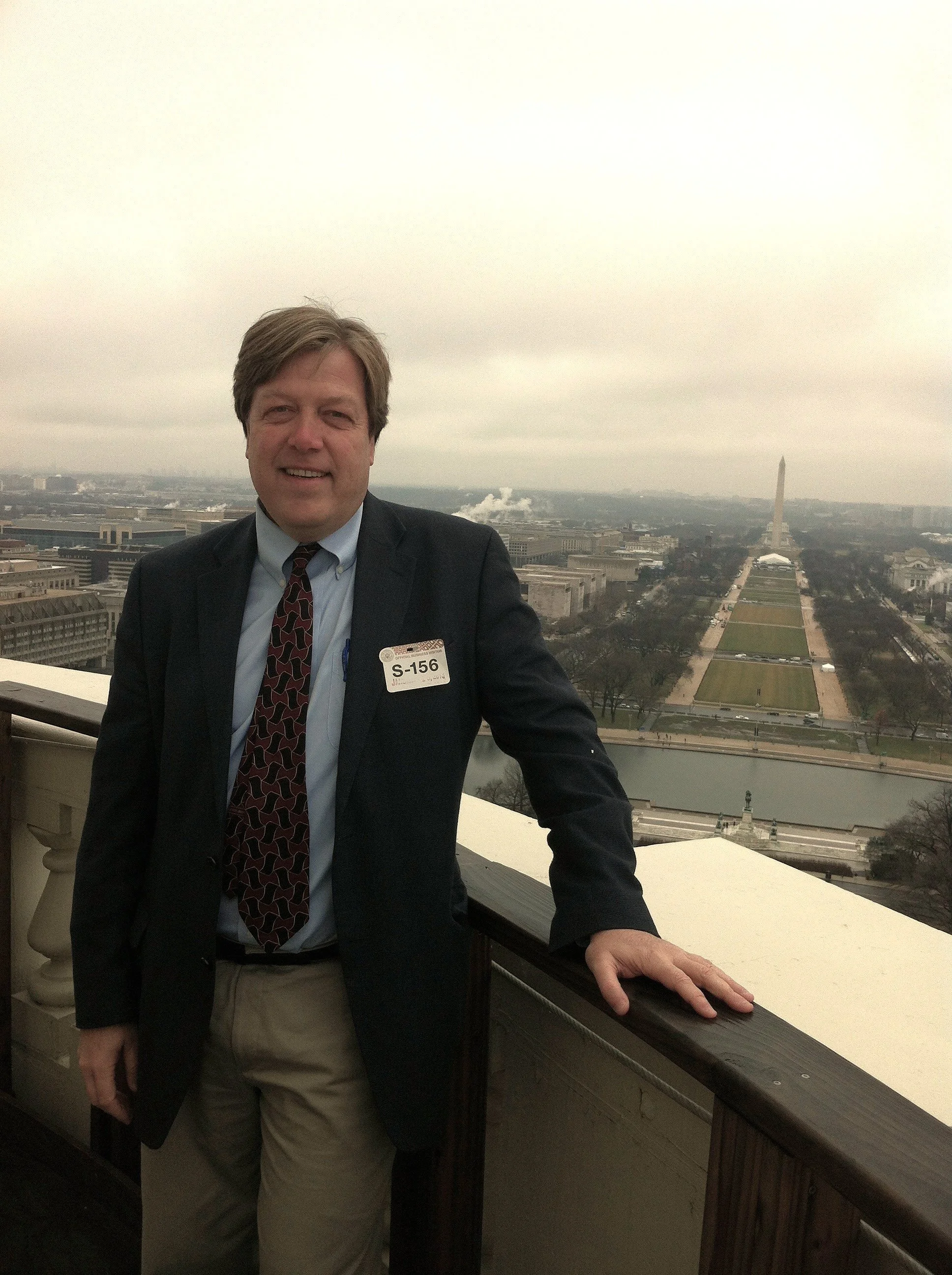
Atop the U.S. Capitol (2015)
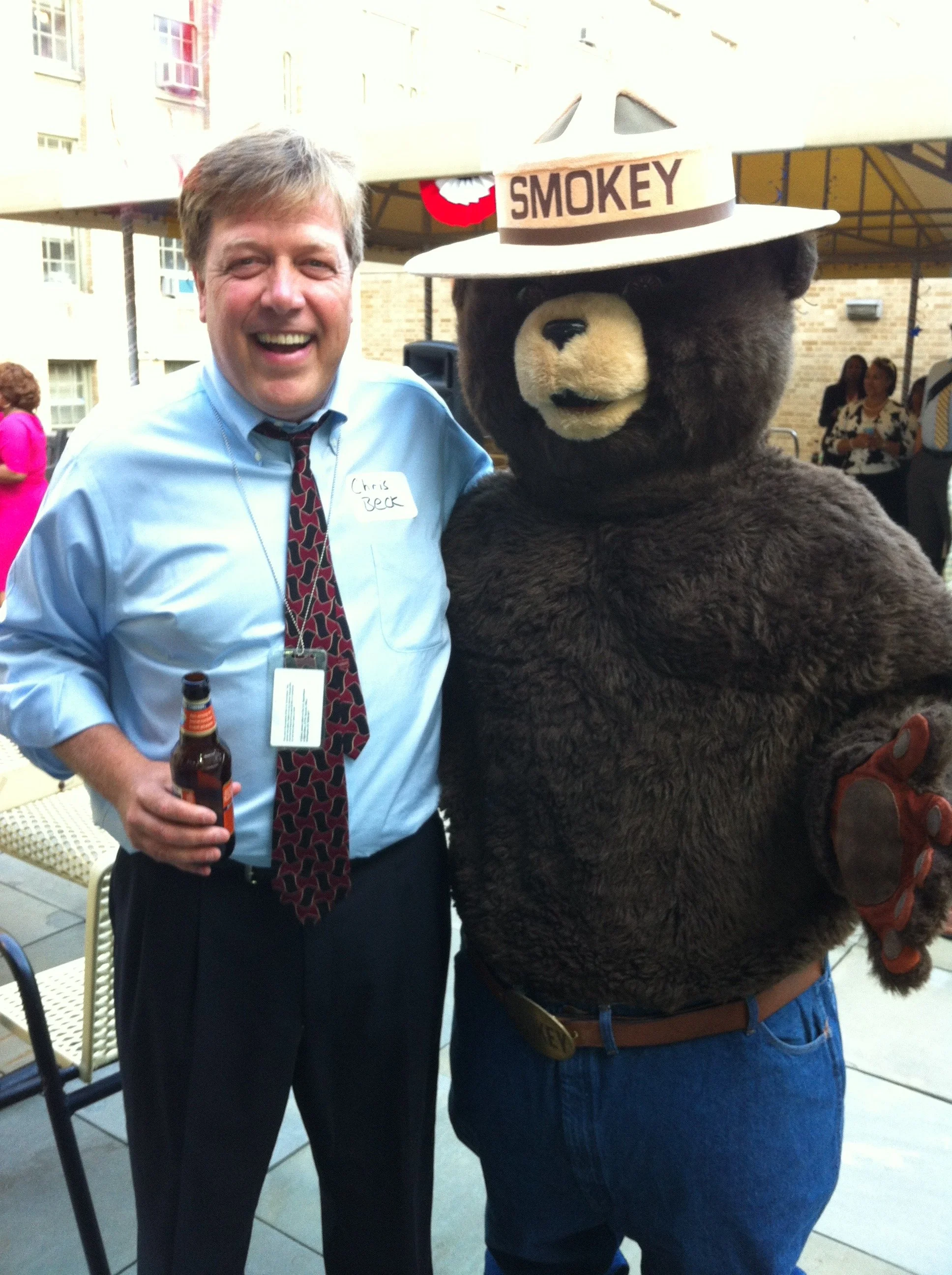
Me and Smokey, when I worked at USDA (2014)
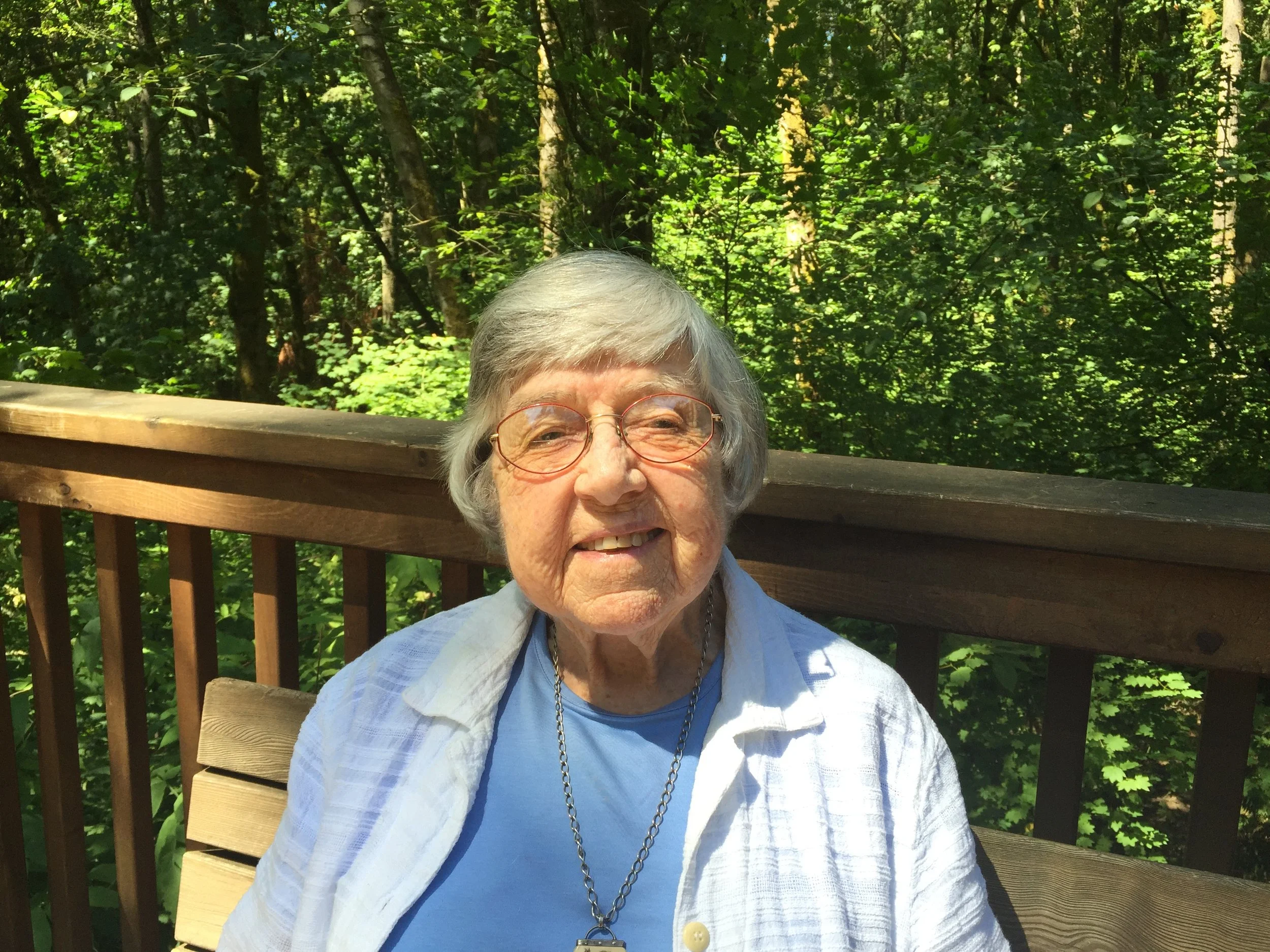
My mom, Lu, in 2016. She was the first woman to be appointed to Oregon State Parks Commission.
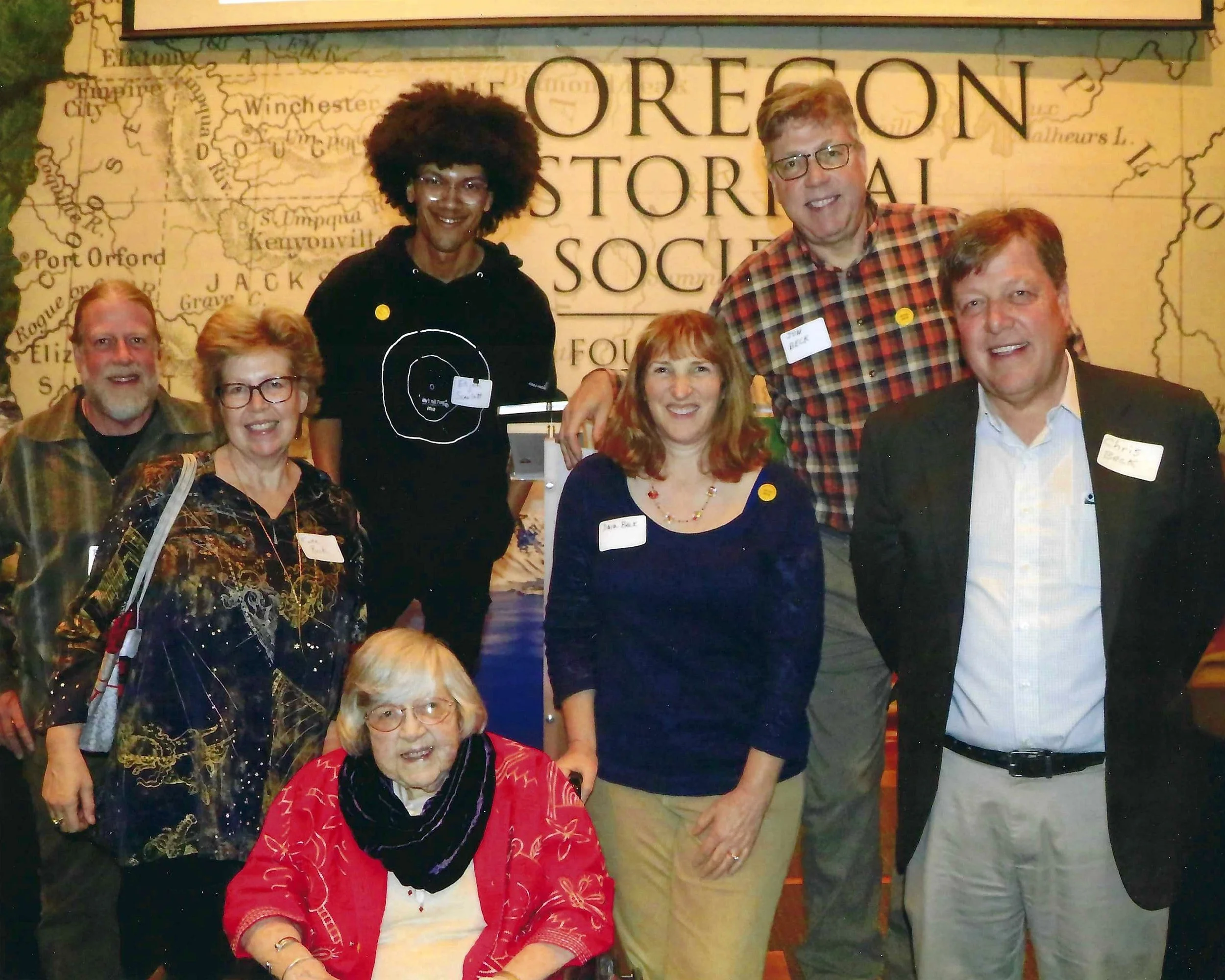
My brothers, sister, sister-in-law, mom and nephew at the Oregon Historical Society (2019).
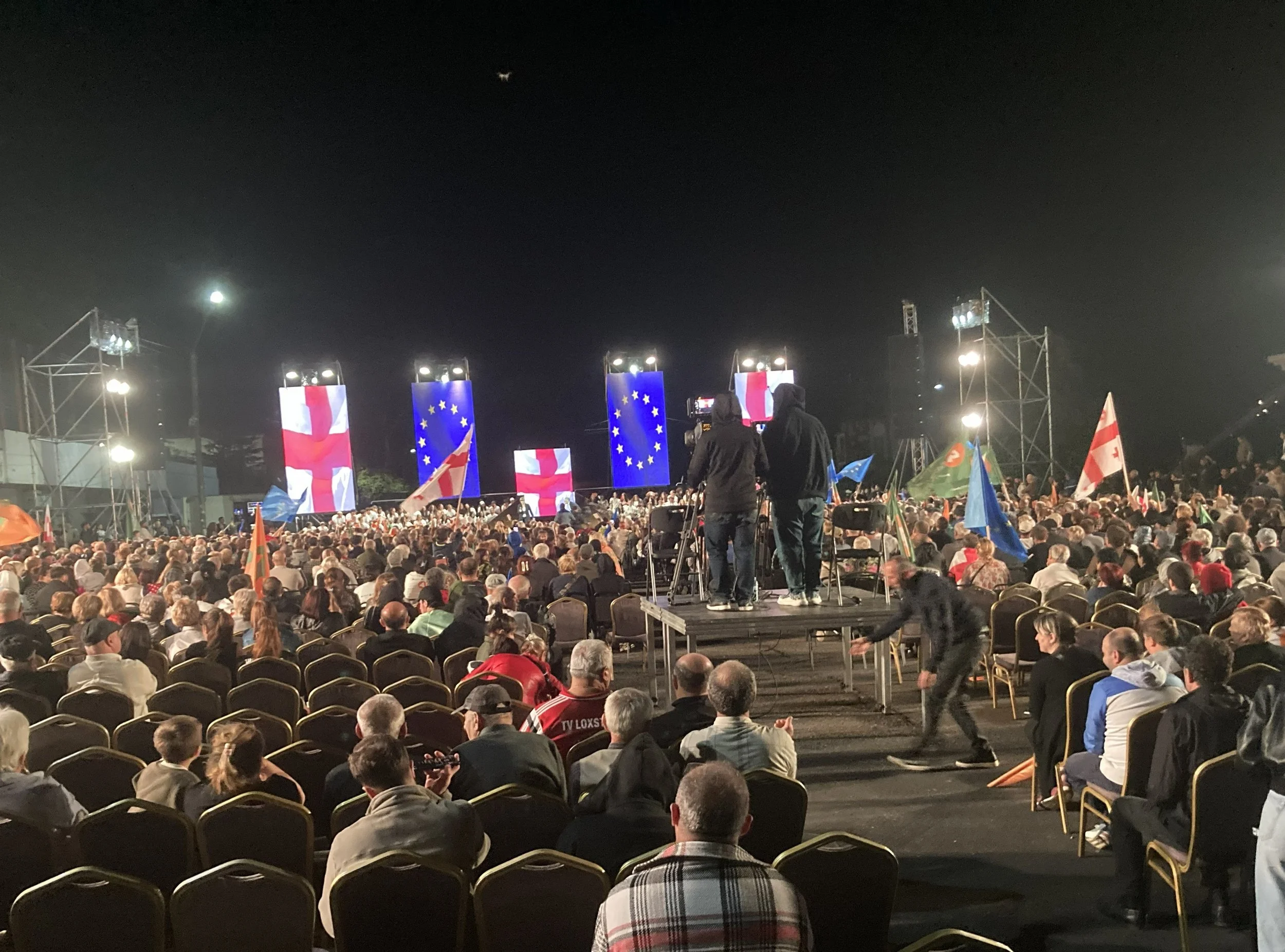
Election observing in the Republic of Georgia national election (2024)
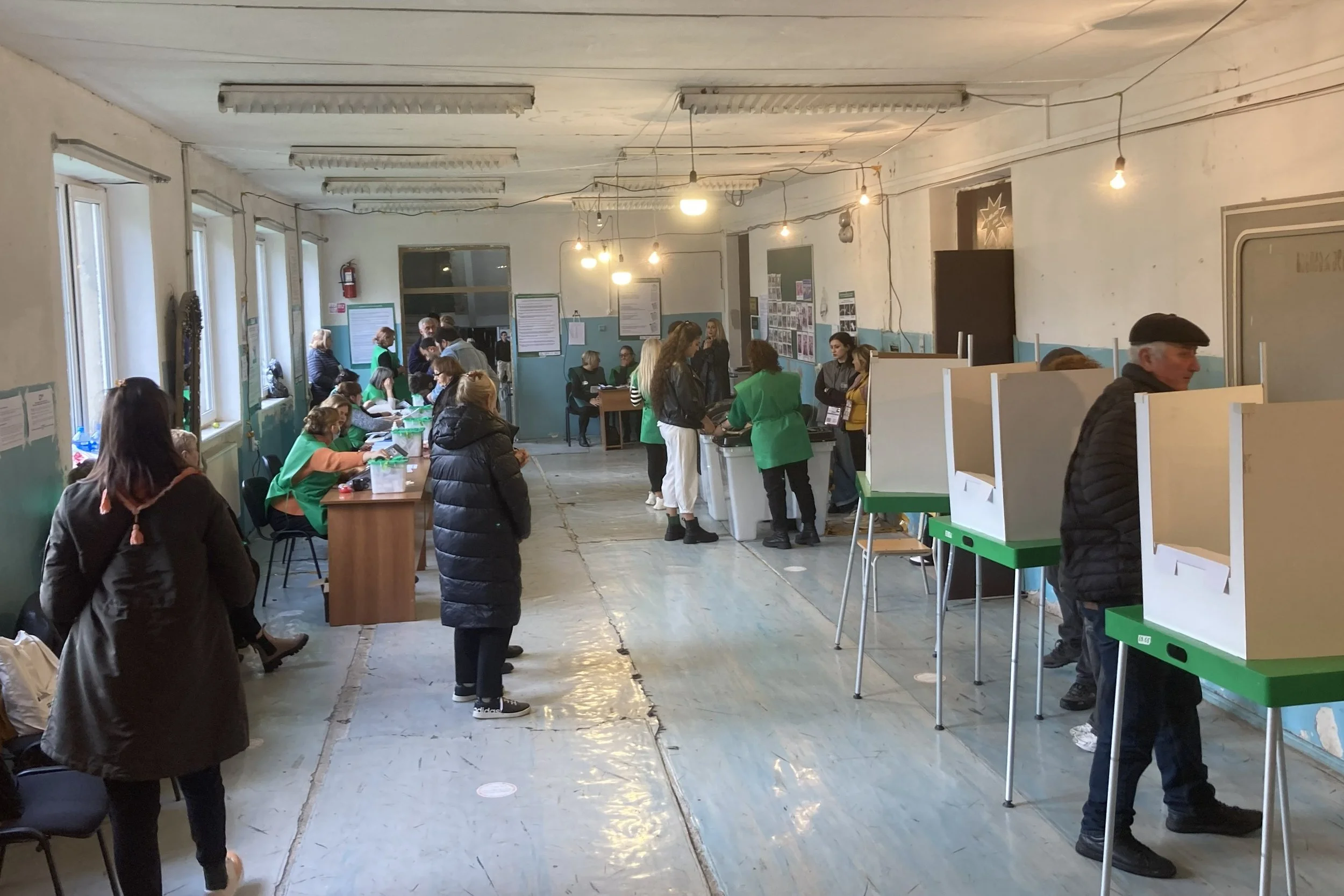
Election observing in the Republic of Georgia national election (2024)
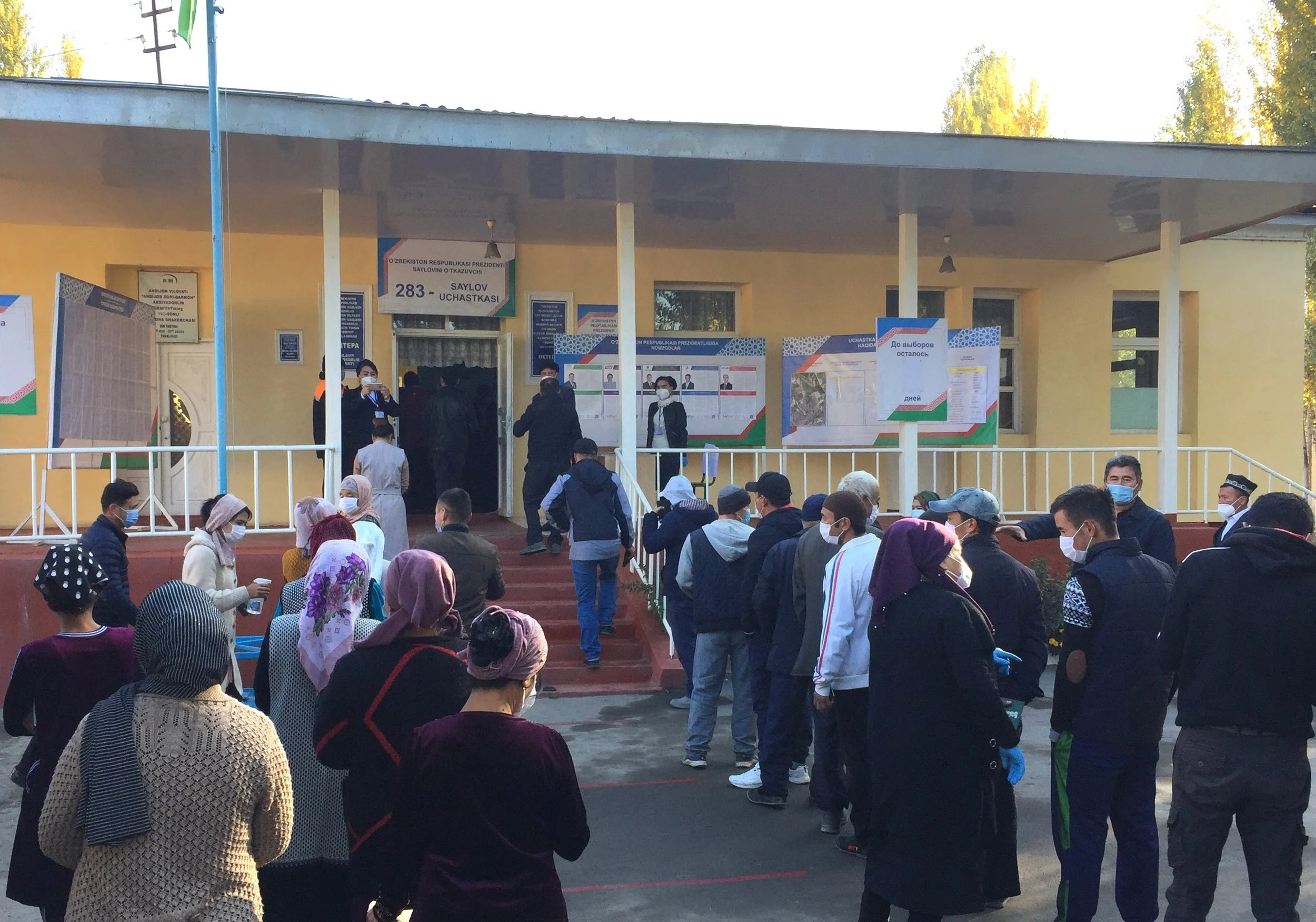
Elections observing in Uzbekistan (2021)
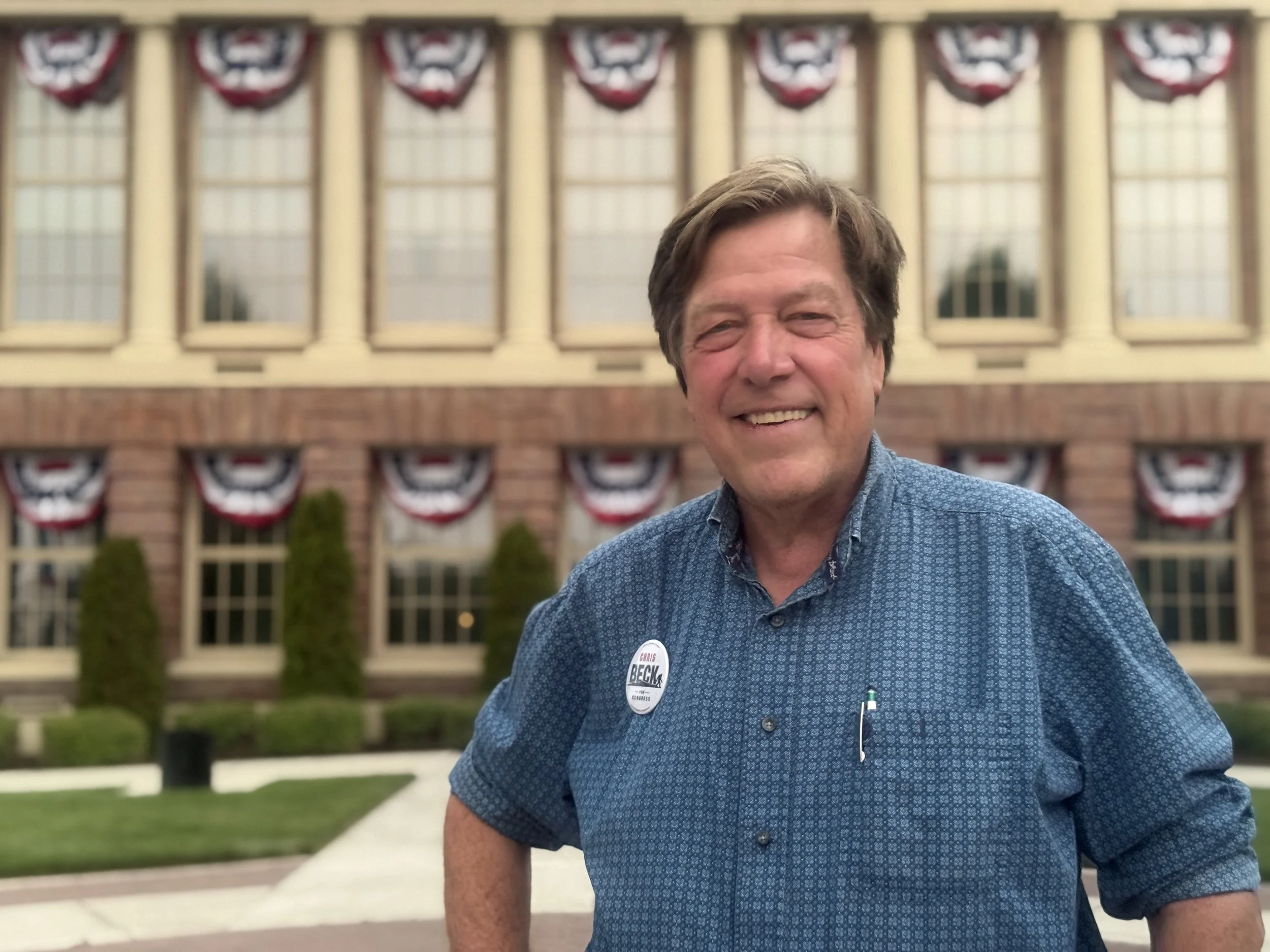
On the campaign trail, standing in front of Redmond City Hall, which used to be the high school where my grandfather taught agriculture.
Mom, Dad and brothers at Hells Canyon (1977)
My family at Lake Kiwa, Oregon Cascades (1971)
On the Deschutes River with Mom and Dad (1968)
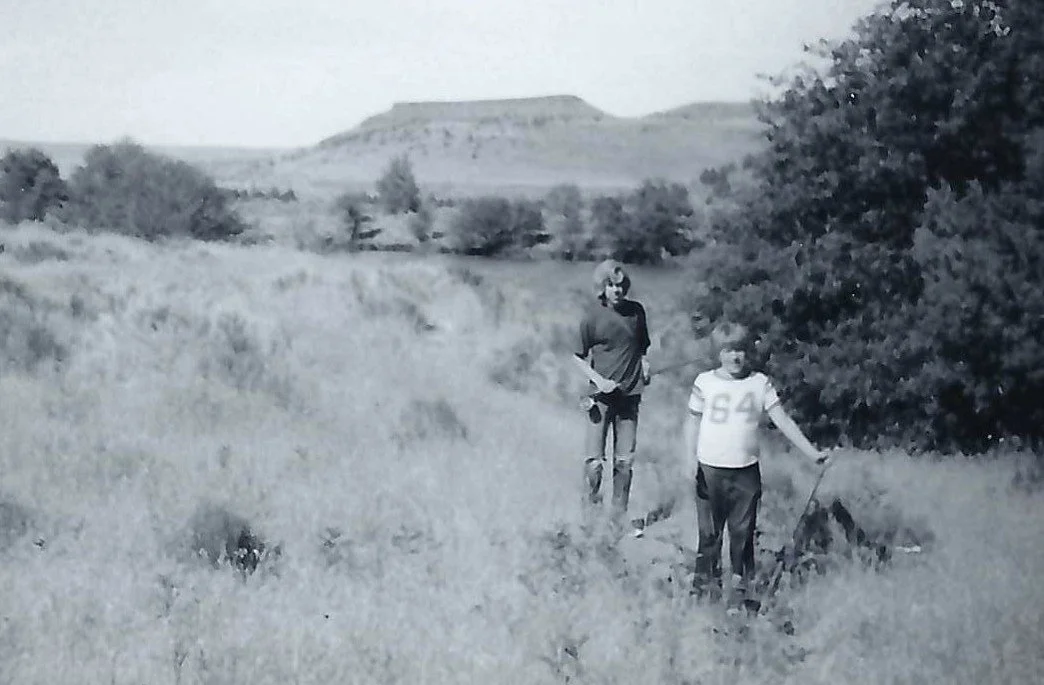
My brother Bordon and me, Deschutes River Warm Springs Reservation (1974)
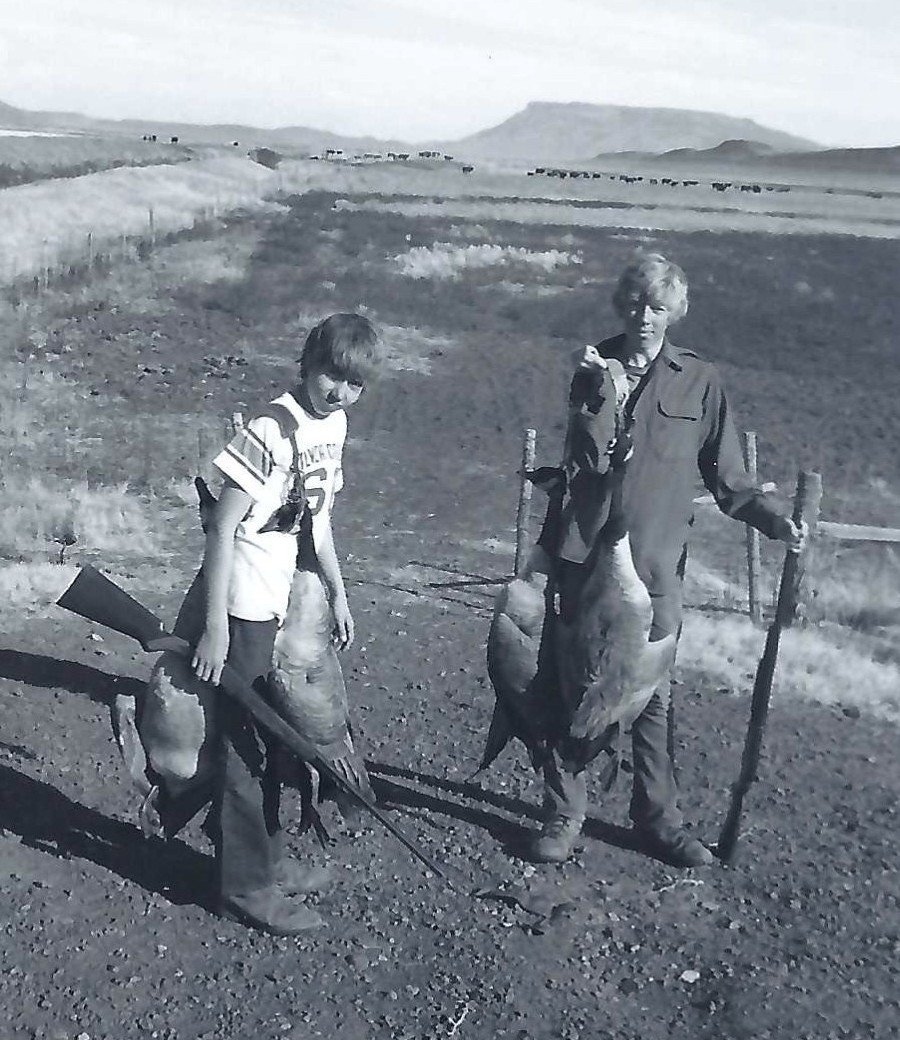
My brothers Jon and Borden, Warnery Valley, Lake County (1973)
That's me (with decoys), Warner Valley, Lake County (1978).
Deschutes River (1975)
Autumn goose hunt, Adel (Lake County). I’m first row, far right. (1975)
My hunting companions at the annual deer camp in the Ochoco Mountains (1975)
Annual deer camp in the Ochoco Mountains, 1975. I’m second from left.
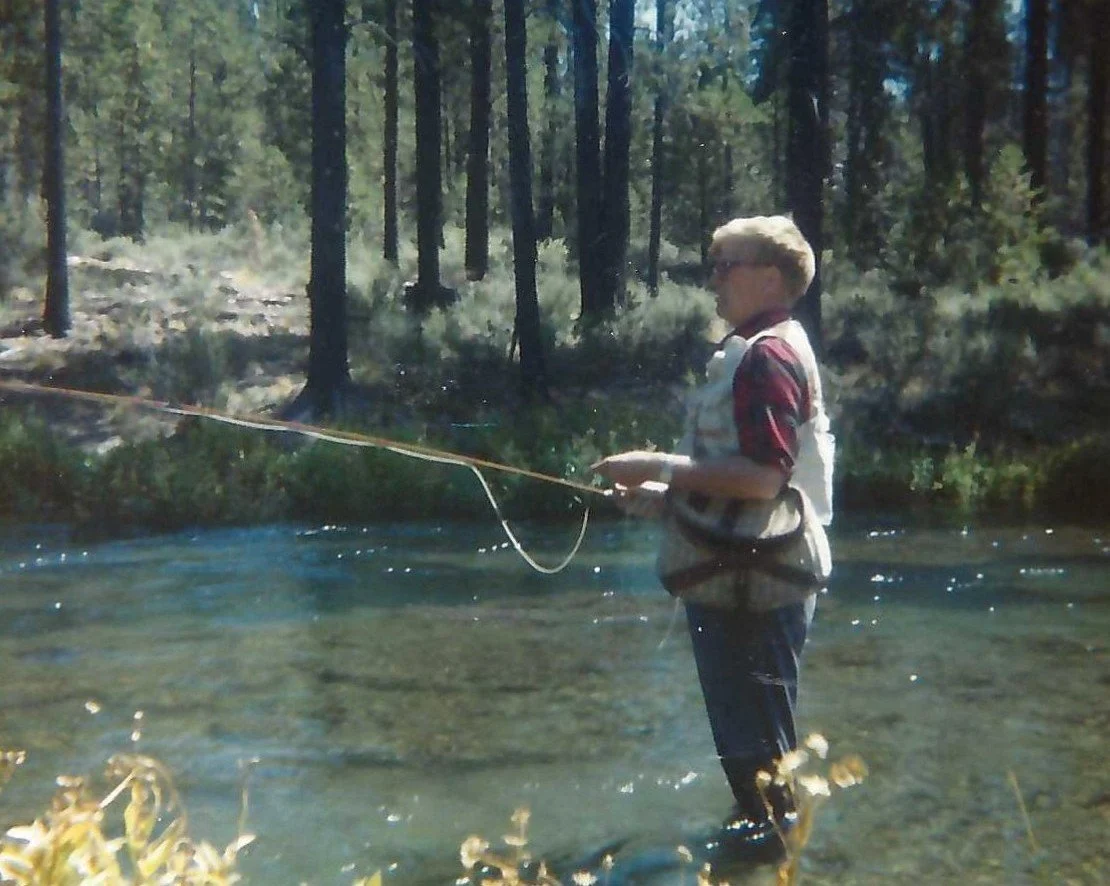
Dad fishing on the Deschutes River (1980)
Borden and Lu (Dad and Mom), Fall River, Deschutes County (1980)
Bordon Beck Wildlife Preserve, honoring my dad.
Plaque honoring my dad at the Deschutes River preserve.
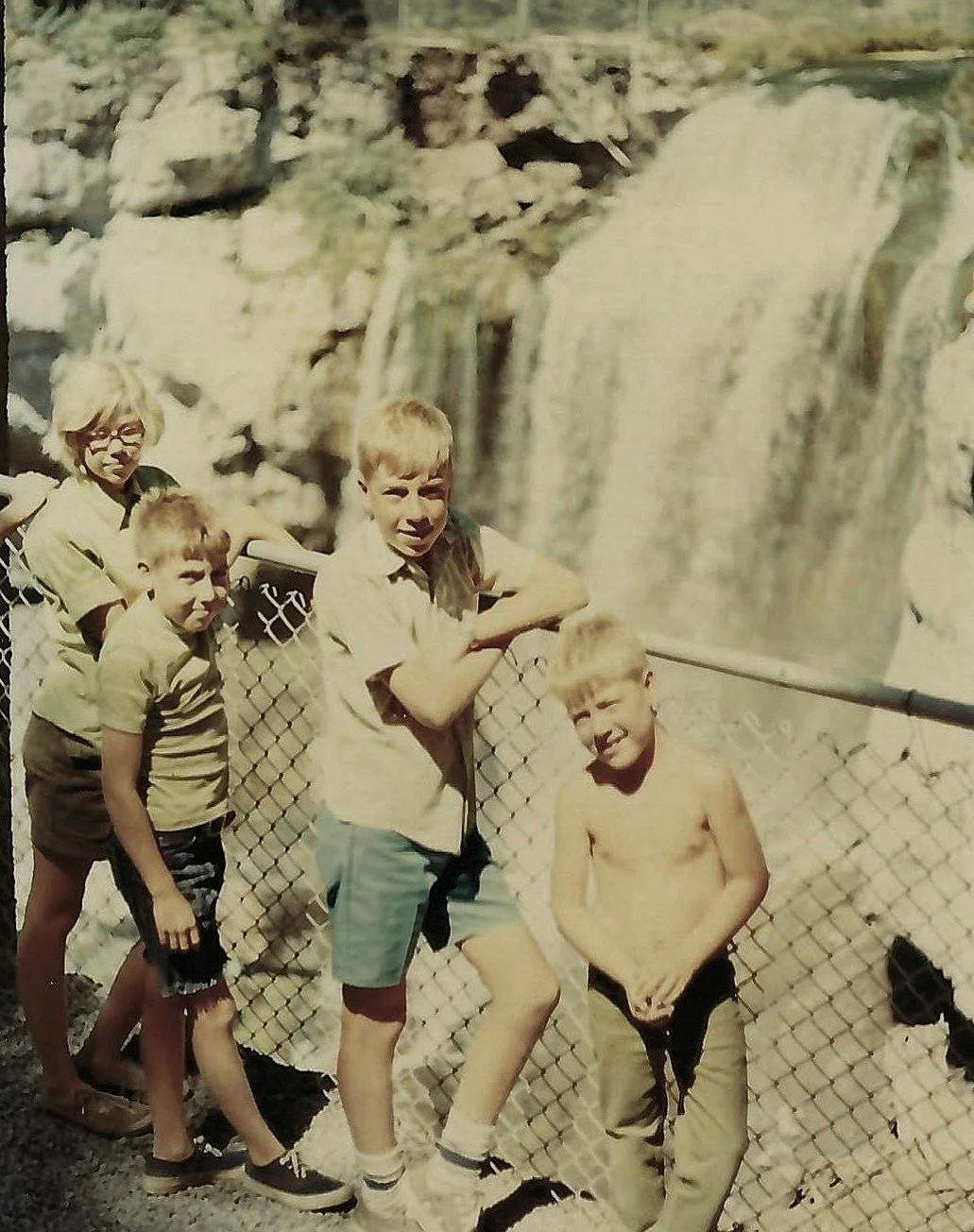
Me and my siblings at Paulina Falls (1969). I'm the short one in front.
All dressed up for America's Bicentennial, July 4, 1976.
Driving our lawnmower on our street parade for the 1976 Bicentennial celebration.
Me and Gov. Tom McCall (1975)
My family and me at Paulina Peak, Deschutes County (1969)
With mom and brother at Kiger Gorge, Steens Mountain, Harney Cty (1978)
Crump Lake, Hart Mountain, Lake County (1977)
My brother Jon and me atop South Sister (1977)
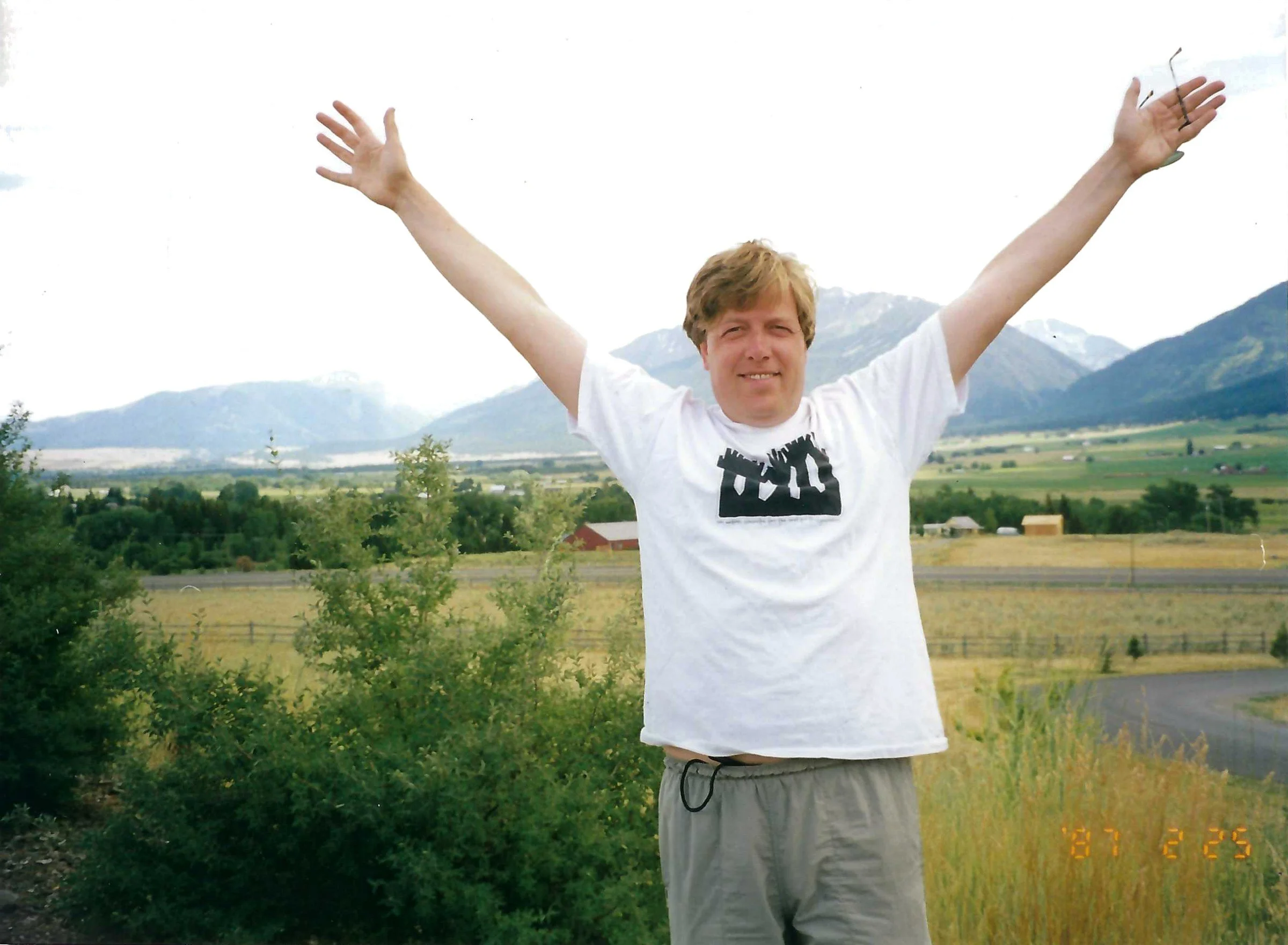
Wallowa Valley (1998)
Chief Joseph Days Rodeo with Union Cty friends Bill and Margaret Obie (1998)
My best friend "Cole." RIP.
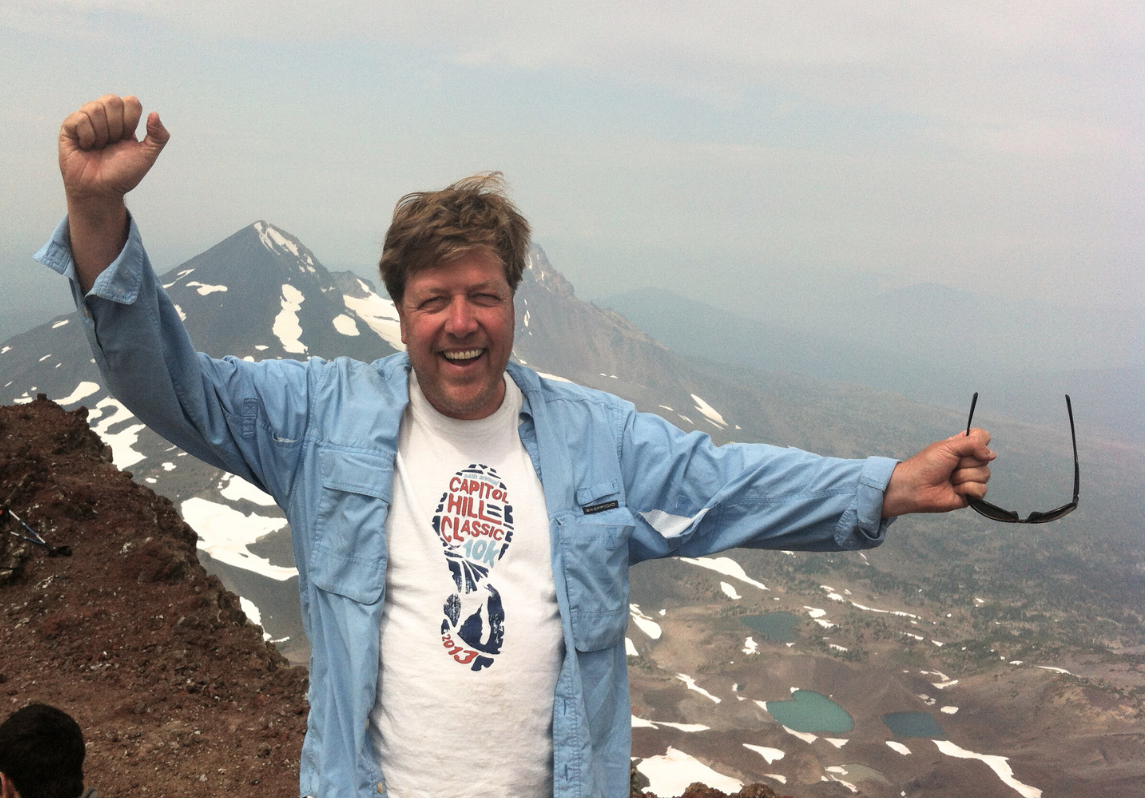
Atop South Sister (2013)
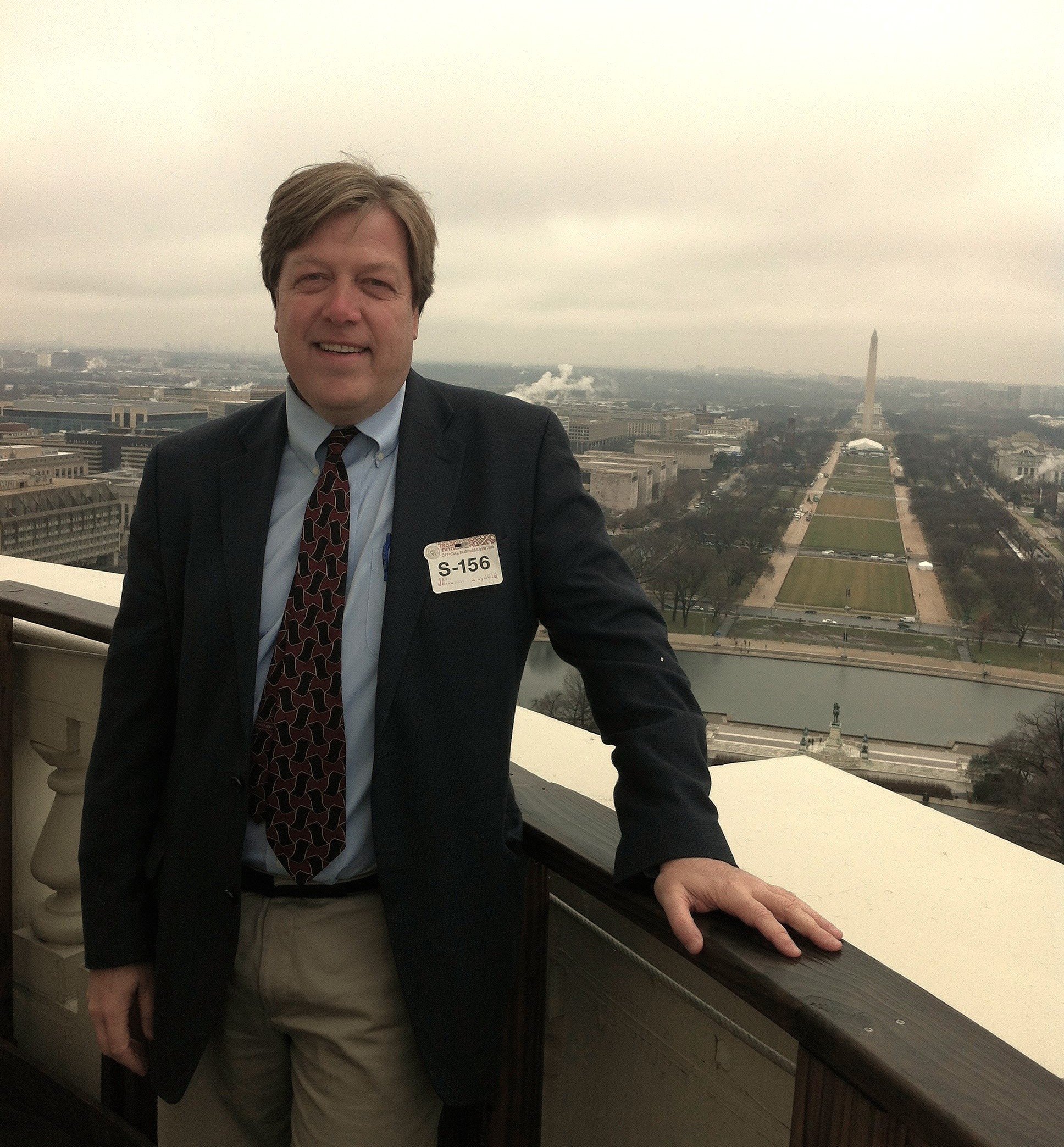
Atop the US Capitol (2015)
Me and Smokey, when I worked at USDA (2014)
My mom, "Lu," in 2016--the first women appointed to the State Parks Commission.
My brothers, sister, sister-in-law, mom and nephew at the Oregon Historical Society (2019).
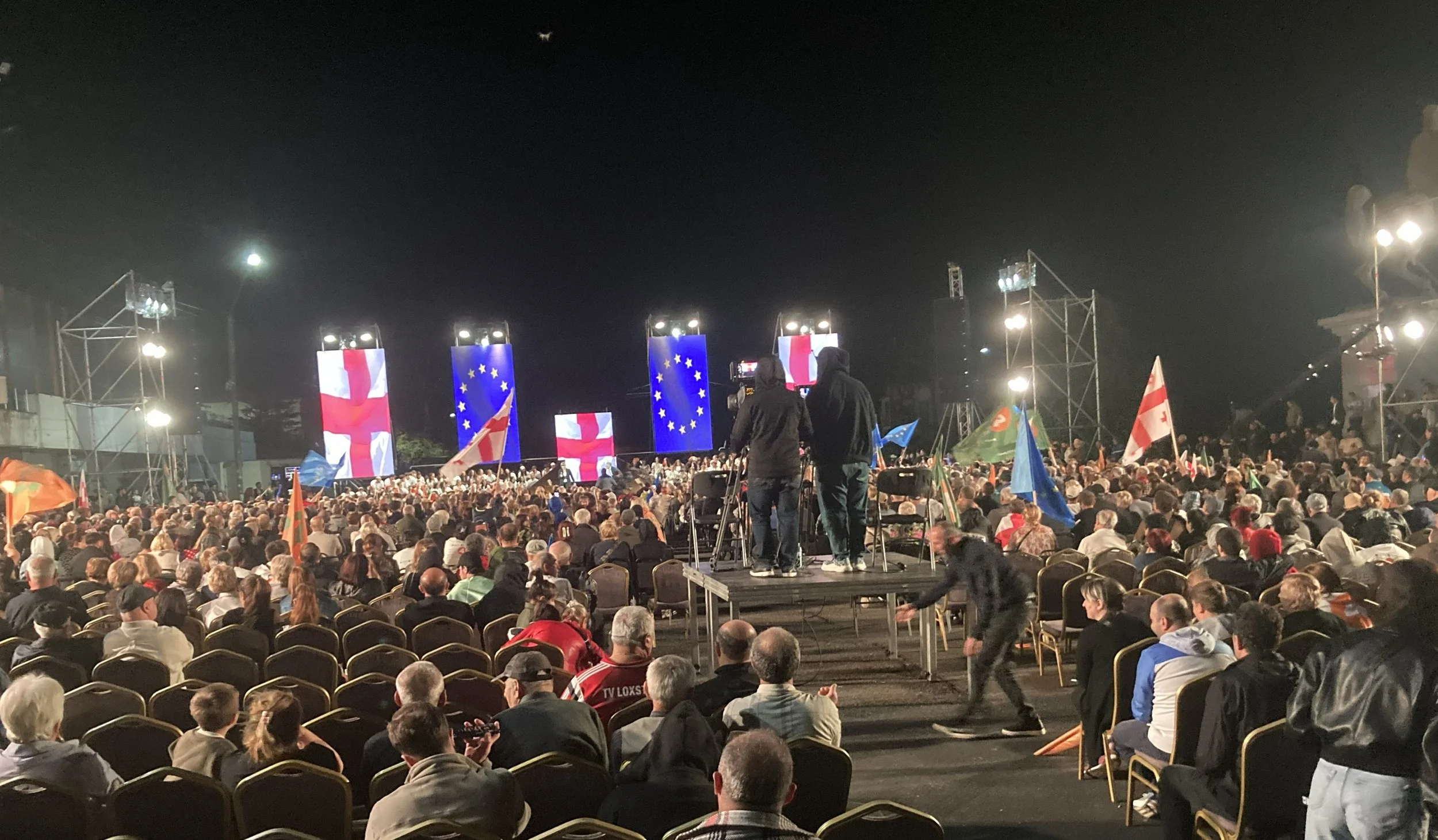
Election observing in the Republic of Georgia national election (2024)
Election observing in the Republic of Georgia national election (2024)
Elections observing in Uzbekistan (2021)
On the campaign trail, standing in front of Redmond City Hall, which used to be Redmond High School, where my grandfather taught agriculture.
Coming of age east of the Cascades
I grew up in Oregon and have spent my life exploring, celebrating and working for this magical geography where we live.
My dad’s family was rooted in Central Oregon during the Great Depression, and my grandfather taught agriculture at Redmond High School. My most formative life experiences as a boy and young man were had learning to fish on the Warm Springs Reservation wading along the banks of the Deschutes, or sitting in a makeshift goose hunting blind of willow branches freezing my butt off in the pre-dawn October air looking out to Hart Mountain in Lake County. While standing around a campfire in the Ochoco Mountains during the fall deer hunt I heard men tell tales of grandfathers, old pick-up trucks, war and women. We also walked the sands near Fort Rock with our heads down looking for obsidian arrowheads, reminding me of the people who have been here for over 10,000 years.
Later, my adventures and land conservation employment took me to the Wallowa Valley, Columbia Gorge, Crooked River National Grassland, Soda Mountain, Klamath Marsh, and more.
I’ve watched Oregon’s rural towns change, and not always for the better. I’ve seen too many mills disappear and Main Streets hollow out, and I can glean the ravages of rural poverty and the opioid epidemic. At the same time, I’ve celebrated communities that have innovated and taken advantage of new economic opportunities. The revival of Talent and Phoenix following the 2020 Almeda Fire is an inspiring reminder of what we can do when we have the community will and public resources.
My parents were both active in civic affairs. Dad advised Governor Bob Straub on implementing the Hells Canyon National Recreation Area and later worked with Oregon’s Congressional Delegation to draft the legislation establishing the Columbia Gorge National Scenic Area. Mom is a local legend in Portland where she led a grassroots effort to conserve a 650-acre forested canyon, becoming the state’s first urban state park—Tryon Creek State Park. She later became the first woman appointed to serve on the State Parks Commission. My folks were remarkable role models.
Oregon’s sagebrush, Ponderosa forests, lava caves and mountain peaks are part of me. All told, my life has fully prepared me to represent the people of Oregon’s 2nd Congressional District in Washington.
Chris’s professional background
Education
I attended public schools in Portland and ventured east to study history at Brown University. Later I studied public administration at Harvard University’s Kennedy School of Government and earned a Master in Public Administration. I may have studied on the East Coast, but I came home — because this is where I belong, and this is the work that matters.
Politics
I got involved in government right after college, beginning—as many do—by volunteering on campaigns. My first “real” job landed me in Salem as an assistant to then-Senate President and future Governor John Kitzhaber, and later as a committee staffer for the Senate Agriculture and Natural Resources Committee. I became fascinated and enamored with Oregon’s unique statewide land-use planning system that supports our working farms, forests and ranching economy.
Restless in my early thirties, I was able to get elected to the Oregon House of Representatives. For six years I had a front row seat to the growing divisiveness within our political system but did my best to find common ground with my Republican colleagues. It was the time when property tax revenues were limited and the state’s education system went to the dogs—as did many other state services. Still, I participated in efforts to stabilize K-12 funding, establish the Cultural Trust, and stabilize funds for our neglected state parks. Joining my rural colleagues and touring Umatilla and Umpqua counties, as well as the struggling timber towns along the Santiam, are among my most poignant experiences as a state rep.
Non-profit land conservation
In 1990 I entered the arena of public-interest non-profit conservation and spent 14 years working with private property owners who wanted their land conserved for public benefit. This role allowed me to travel around the state and deeply understand the significance and fragility of the rural communities I’d known growing up but had not fully appreciated as a boy.
Post-Katrina New Orleans
In 2006 and 2007 I was just one of many people trying to help rebuild the city. I consulted with various organizations, but primarily I worked with Mercy Corps to help salvage materials from demolished homes for rebuilding purposes, rather than dumping everything into a distant pit somewhere.
Rural economic development
In 2010 I began working at the U.S. Department of Agriculture’s (USDA) national headquarters as a policy advisor on rural economic development. For six years I worked directly with private individuals, as well as foundations, helping find federal resources to spur innovative approaches to community development. The people I worked with were trying to help Washington make often clunky programs more effective for our times. We fostered better regional planning, focused infrastructure on struggling Main Street districts, promoted arts and culture economic strategies, and supported efforts to build new local food systems.
International elections
Most recently, I’ve had the privilege of representing the United States as an international elections observer in former Soviet bloc countries in missions sponsored by the Organization for Security and Cooperation in Europe. Each time I return home from these elections, I remain grateful to be an American, and to live in Oregon.