The issues
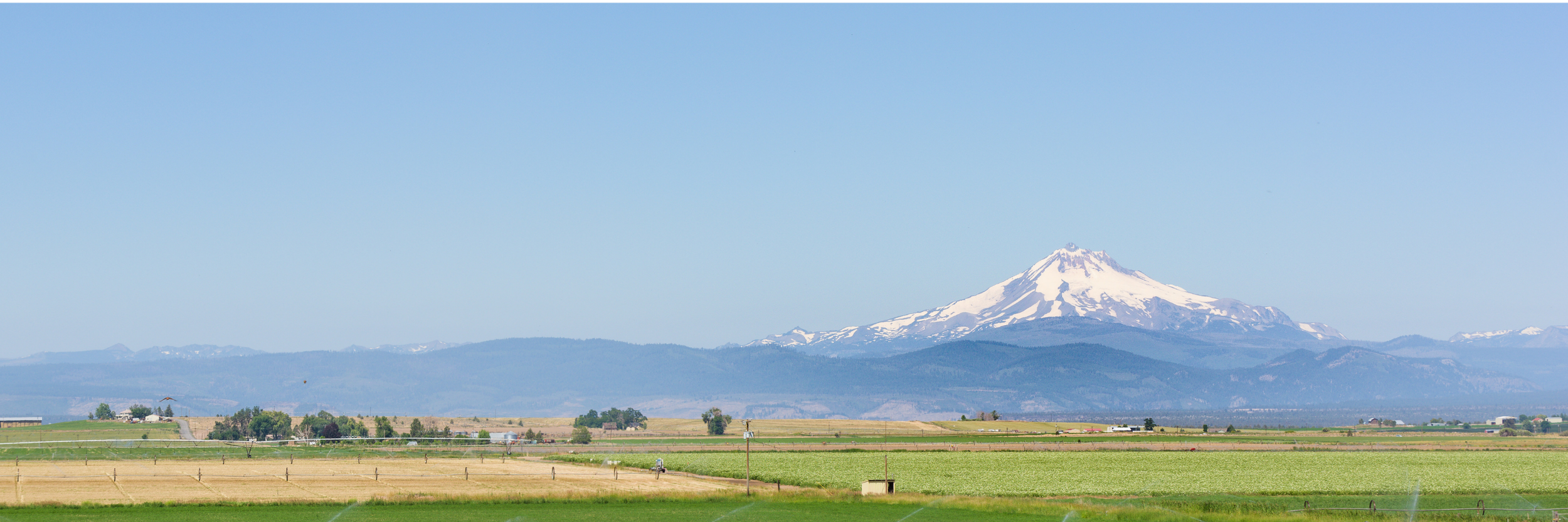
Mt. Jefferson
A fulfilling life in rural Oregon relies on policies that strengthen the economy, nurture the land and prioritize the health, well-being and opportunities of all residents. And when some people struggle, everyone pays.
When some hospitals close, everyone pays.
When wildfires whip through some communities, everyone pays.
When there’s not enough food on some tables, everyone pays.
When data centers in some communities pollute the water and raise energy prices, everyone pays.
When gas prices skyrocket, well… everyone—and I mean everyone—pays.
Eventually people leave. Communities hollow out.
Many of the issues that plague rural communities started at the federal level, and that’s where they must be addressed—most immediately by cutting our human (13 American lives) and financial ($50+ billion) losses in Iran and getting fuel costs under control for our farmers and, frankly, for anyone that drives, eats or shops. Even if the war ended tomorrow, it could take a full year for global oil prices—and our prices at the pump—to drop to prewar levels. Some estimates predict it could be many years.
As soon as possible, Congress must repeal HR 1 and restore the mountain of funding stripped away from Medicaid and SNAP benefits. Every member of Congress who voted for this bill—including Cliff Bentz—should be ashamed.
We also must restore the 40% funding cut to federal wildfire prevention at the U.S. Forest Service, before it’s too late.
Additionally, we have a moral obligation to do everything we can to support young families and the elderly, especially those struggling to make ends meet.
It’s time for Congress to reclaim its rightful authority to serve the needs of all Americans.
Everything costs too much. Everything.
When you combine the insane gas and diesel prices caused by the Iran war (which make everything pricier), the ill-advised international tariffs on just about everything we import, plus the cost and supply of housing, day-to-day living for rural Oregonians is getting harder and harder.
We can start by ending the war and canceling tariffs, but the problem is bigger.
In towns such as Klamath Falls and Grants Pass, working families can't afford a home, and young people are leaving because of it. Low-cost housing should be folded into our existing Main Street neighborhoods, not scattered into the outer fringes on our farms and forest resource lands.
Here’s what I’ll fight for:
Adjusting excessive tax breaks on vacation and luxury homes and funneling those savings into programs that provide low-interest financing for first-time rural home buyers.
Reforming and leveraging federal housing programs such as the USDA’s Community Facilities Program and Rural Housing Services to 1) restore and support public service buildings and 2) prioritize favorable lending terms for homes on and near our small-town Main Street districts.
Empowering land-grant universities—or any public university—to fund senior housing facilities on or near campuses for low and moderate income seniors, staffed by trained professionals and students. Let’s pilot it at Eastern Oregon University, Southern Oregon University, and at one of our community college campuses.
Access to reliable health care is a vital part of rural living.
Health disparities in Oregon are vividly aligned not only with disparities in wealth and education, but with geography as well. Hospital cutbacks and the closing of community clinics are making it harder and harder for people in rural areas to find even basic wellness care, not to mention reliable emergency services.
The current administration, with the blind support of our Congressman, has made matters worse with drastic cuts to Medicaid and no plan for comprehensive health care reform. This reckless action has jeopardized access to health care for the most vulnerable among us.
I will find allies in Congress from both parties who want to reform health care and stabilize rural health services. Phasing in an affordable public option for all people in Oregon, similar to Oregon Health Plan, is doable and long overdue. Thanks to legislators like my friend, the late Senator Alan Bates, and Governor John Kitzhaber, Oregon pioneered a transformative health care system that provides basic services while controlling costs, and we should do the same at the national level.
Some ideas that can strengthen our rural health care landscape include:
Phasing in an affordable public care option for all Americans covering the most essential preventive services and treatments.
Using the Farm Bill to promote healthy food options and reallocate government subsidies to prioritize affordability and variety.
Incentivizing doctors and nurses to live and practice in rural areas, and better support the network of existing community clinics across rural Oregon.
We must uplift our agriculture and natural resources economies.
The careless and haphazard policies imposed by President Trump have hit rural economies hard. Whether it’s the loss of wheat and fruit markets abroad (caused by the tariffs), the absence of workers and their families who have gone into hiding, or the staggering cost of diesel and fertilizer thanks to the Iran war, the damage won’t be undone quickly.
In addition to repealing the tariffs and seeking a sensible, bipartisan approach to legal immigration, I will put forward ideas that refocus existing federal programs.
I want to:
Support and preserve our working lands—farms, ranches and forests—for economic use for generations to come. One way to do this is to expand proven federal programs such as the Agricultural Conservation Easement Program (ACEP) and the Land and Water Conservation Fund (LWCF).
Establish a rural service corps—teams of young and mid-career professional outdoor workersin each rural county devoted to rehabilitating and nurturing our forests and watersheds. I see similar teams aiding in the health and dignity of our senior populations and helping children learn to read by the 3rd grade. These will be good-paying jobs with benefits that AI can’t do, and team members will become vital residents, consumers and family builders in our towns.
Bolster the USDA’s Beginning Farmer and Rancher programs to help young people launch careers in farming, forestry and ranching. We need the government to finance more farm land purchases and more training via land-grant institutions and community colleges.
The arts drive our rural economy in ways that are too often underappreciated.
The Trump administration has eviscerated our federal cultural programs and partnerships with local arts and culture providers. Our congressman, however, has said nothing, and seems to not even care about the slowing of our state’s artistic heartbeat.
The people of rural Oregon love arts and culture activities. The singular and nationally recognized Shakespeare Festival in Ashland, the nearby Britt in Jacksonville, the Pendleton Roundup, the Chief Joseph Days Rodeo, the Nez Perce Tamkaliks gathering in Wallowa, the Bluegrass Festival in Fossil—all treasures that date back generations. Simple street murals and the arts programs in our public schools supported by dedicated teachers who inspire our kids—these, too, help define rural Oregon culture and enhance our lives.
For six years I represented the USDA as part of a national philanthropy consortium aimed at supporting local arts investments and advocated for rural communities. I was a champion for the arts when I served in the Oregon Legislature and will do the same in Congress.
Two ideas I’ve had for a while that I’d love to pursue in Congress include:
Helping the National Park Service think big and funding two beautiful and iconic new lodges at Crater Lake and Oregon Caves, constructed by local workers and infused with local artists and traditions. Think Timberline Lodge for the 21st century.
Establishing a new federal program enabling land-grant universities (as designated by USDA) to create a network of live/work spaces for artists on rural Main Streets throughout Oregon and across rural America.